Miami Thrice: 3 Lifers and the Joy of Suburban Birding

As I mentioned in my last post, I’ve had a couple of bigger birding adventures this fall. Two weeks ago, in a push to try and see some south Florida exotics and specialties, Camille and I went to the Miami area for a day trip. Our main goal was to find Spot-breasted Orioles, Red-whiskered Bulbuls, White-crowned Pigeons, and Common Mynas. Parrots were also a good possibility.

Hurricane Matthew had passed offshore the week before. There was still evidence of coastal flooding and inundation here and there, but no major damage that I could see.

We stopped at A.D. Barnes Park [map] first, since there had been a report of a Sulphur-bellied Flycatcher there several days before. Unfortunately, we struck out with that bird, and we dodged raindrops and tough lighting most of the morning.
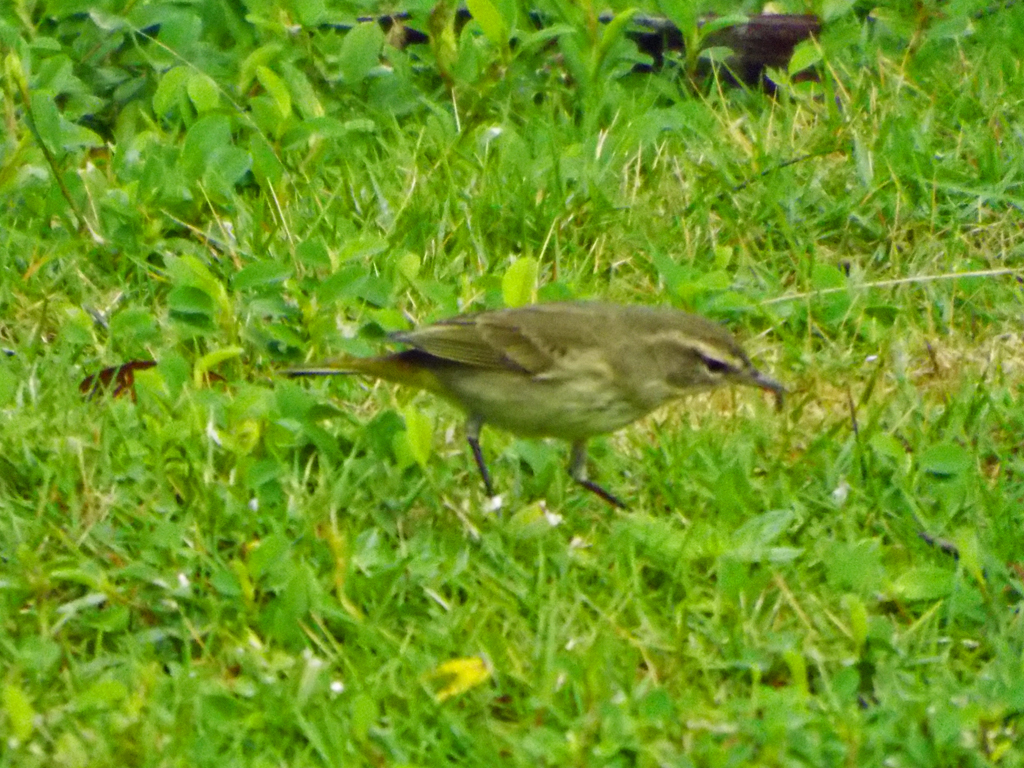
palm-warbler
Palm Warblers were really hopping about in many places, here for their winter stay.

There were a few different warbler species in the wooded sections of the park, including by the nature center, but nothing in large numbers. Some parrots would circle nearby from time to time, but the canopy kept us from identifying which species it was. There are several established parrot species now in south Florida, including the now familiar Monk Parakeets (also known as Quaker Parrots) and Blue and Gold Macaws.
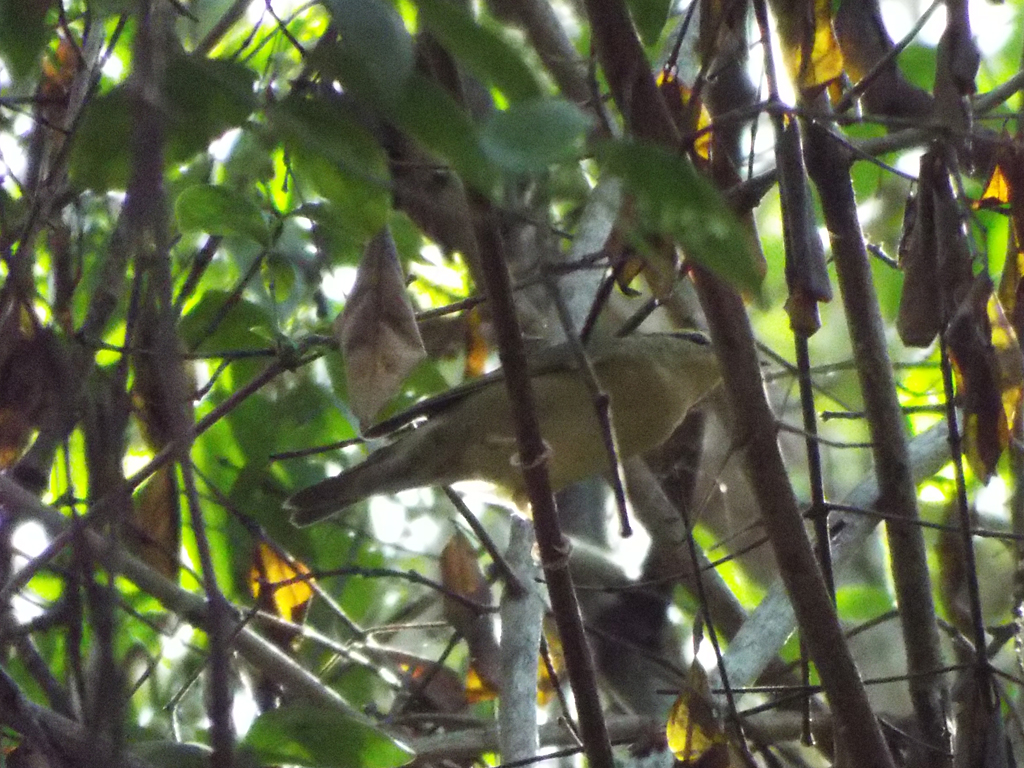
worm-eating-warbler
This Worm-eating Warbler may not be as flashy as a parrot, but it was a nice find.

At the other end of the park, I looked in one of the trees over a pond and thought someone had lofted a pool-toy raft into the branches, but it turns out it was an iguana! This invasive species (introduced via escaped or released pets) can grow several feet long. They often lounge in the trees, I’ve been told.
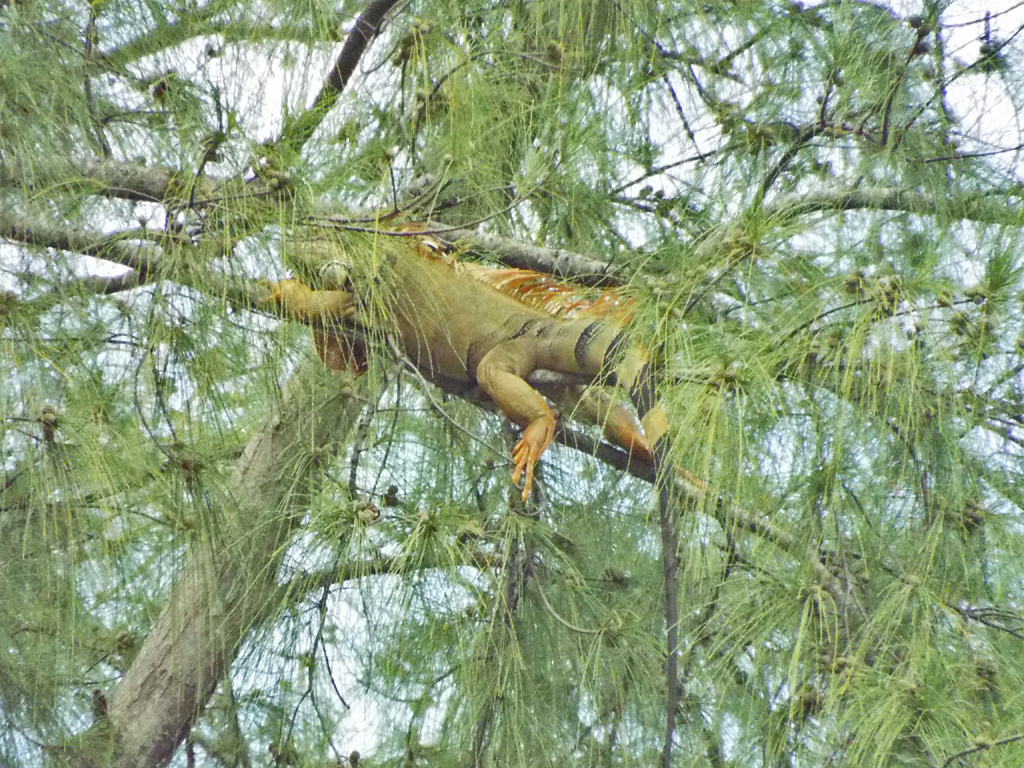
iguana
A real lounge lizard?

There was also a Merlin being harassed by a flock of Blue Jays. Eventually the jays gave up and the little raptor staked out some lookout perches high above the park, but it was very wary of us and kept flying off a bit as we approached. This photo was the closest it let us get before flying off and out of sight.

merlin
Merlins arrive in October and generally stay the winter.

Our last birds in the park were some Northern Parulas, Chestnut-sided Warblers, and a pair of male Cape May Warblers, still sporting some bright yellows.

cape-may-warbler
One of two Cape May Warblers, enjoying berries from ornamental plant in the park.

eBird list for A.D. Barnes Park:
http://ebird.org/ebird/view/checklist/S32064632

After leaving the park, we headed for some neighborhoods in the Dadeland/Kendall area of Miami [map], hoping to find the exotic species I mentioned at the start of the post. These birds were somewhat hard to get good looks at, since they tend to hang out in peoples yards or behind houses.

I did get a quick look at a Spot-breasted Oriole in someone’s tree, and there were the typical mockingbirds and cardinals. We did see a White-winged Dove as well as a Loggerhead Shrike, too. At the King’s Creek Village subdivision we were surprised by a Red-whiskered Bulbul that was flycatching from a fruit tree of some sort. We had initially walked into the area behind some apartments to scout it out, and the bulbul surprised us. It stayed in plain sight until I ran back to the vehicle to get my camera. On my return to the immediate area, it of course flew off never to be seen again!

eBird lists for Kendallwood and Kings Creek Village:
http://ebird.org/ebird/view/checklist/S32068268
http://ebird.org/ebird/view/checklist/S32069300

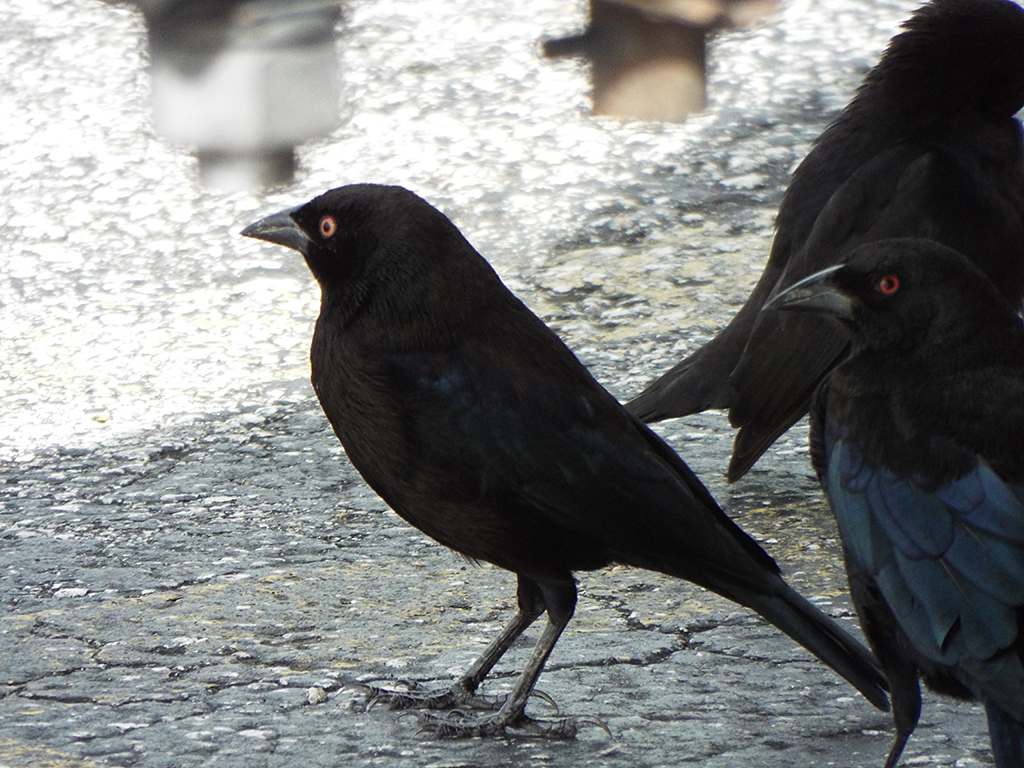
After that, we cruised around a bit looking in on places where Common Mynas had been seen recently (they are scattered all around the city). At one commercial area we pulled in and noticed a large amount of blackbirds in a parking lot, many of the birds standing under vehicles. Many of the birds were Boat-tailed Grackles, but the smaller blackbirds gave me a double-take. What I at first thought were Common Grackles were in fact Bronzed Cowbirds. It turns out that this particular location is a known hangout for them. These birds are rare at the Space Coast, though, so it was pretty exciting. I love this pair of photos, because they show how different most blackbirds look in direct sunlight vs. indirect light.
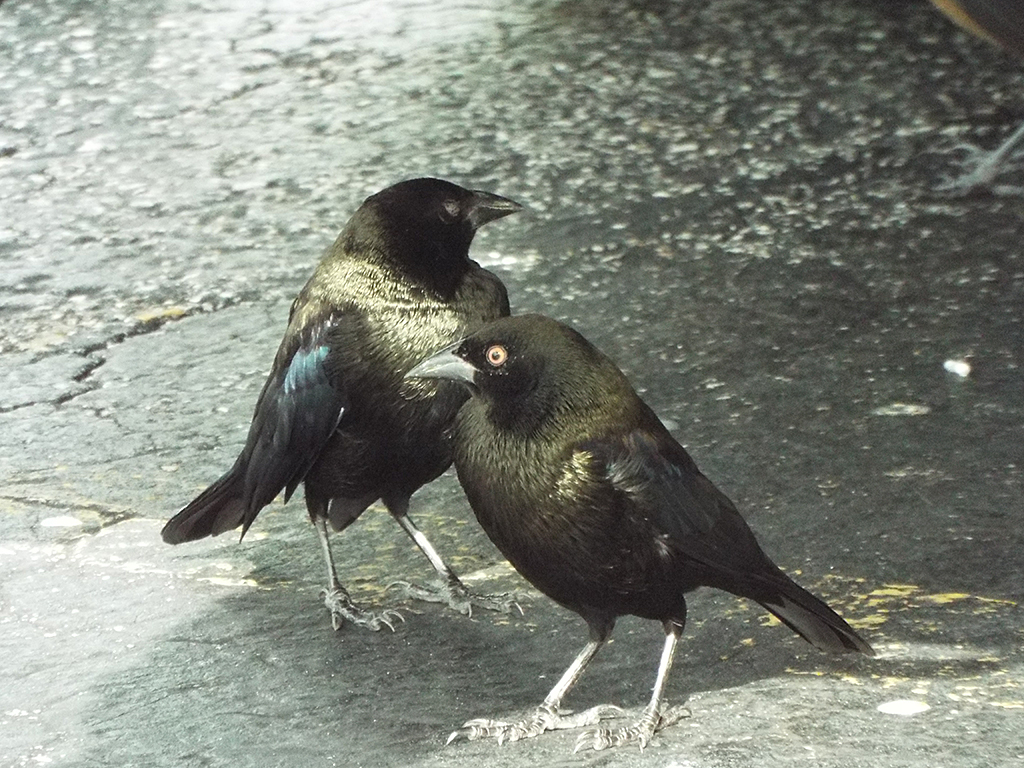
bronzed-cowbirds-sun.jpg
You can see why Bronzed Cowbirds are so-named when they are in direct sunlight.
bronzed-cowbirds-shade
Bronzed Cowbirds looking “none more black” in the shade. I love the grumpy expression on the bird on the right!

We stopped for gas on NW 42nd avenue, near where some recent Common Myna sightings were listed in eBird. While filling up, sure enough, there was a myna on a used car lot sign! In fact, here’s a Google Street View of the exact sign (I know, sorry replacement for an actual photo of the bird). Zoom out of Street View to see the location on the map.

If you’re counting (and I was), that’s three lifers – the Spot-breasted Oriole, the Red-whiskered Bulbul, and a Common Myna.

We then made our way to the area around Matheson Hammock Park [map], including “the round beach”. There was still evidence of Hurricane Matthew’s presence here, which made some exploration a bit interesting, due to expanses of mud, plant debris, and coconuts.
miami
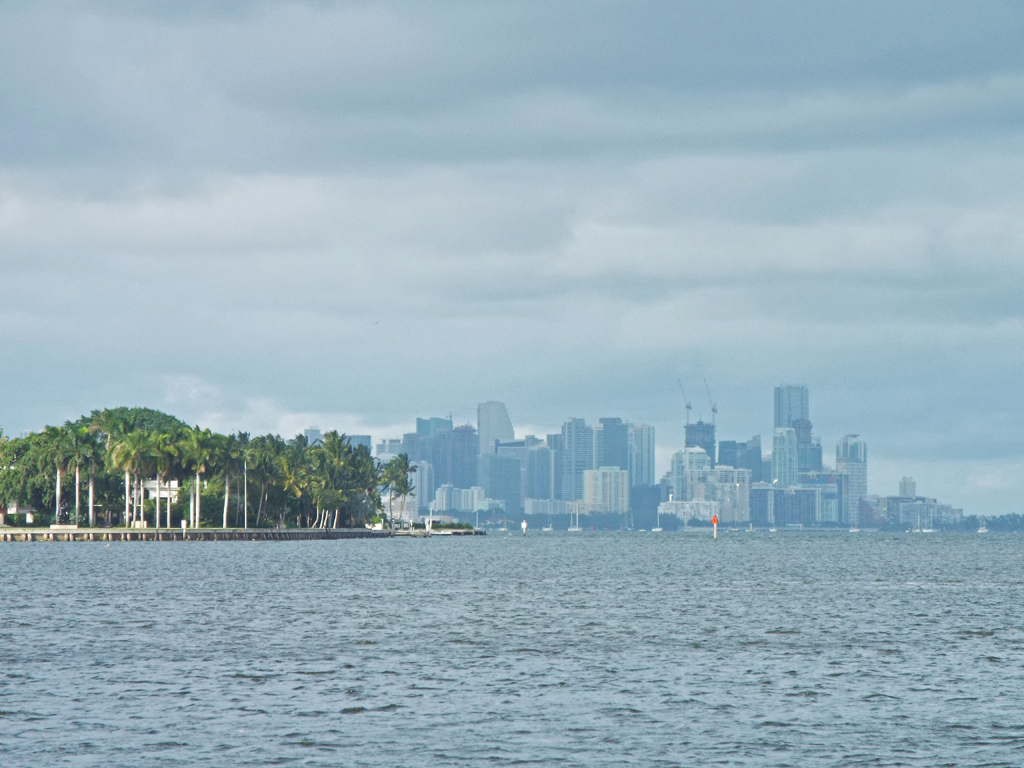
Part of downtown Miami from the beach near Matheson Hammock.

The wind was really picking up, keeping many of the small birds down, but the more powerful aerialists were about, either kiting high up above the shore, making high-speed runs with a tail-wind, or roosting, bodies bent into the wind.
royal-tern
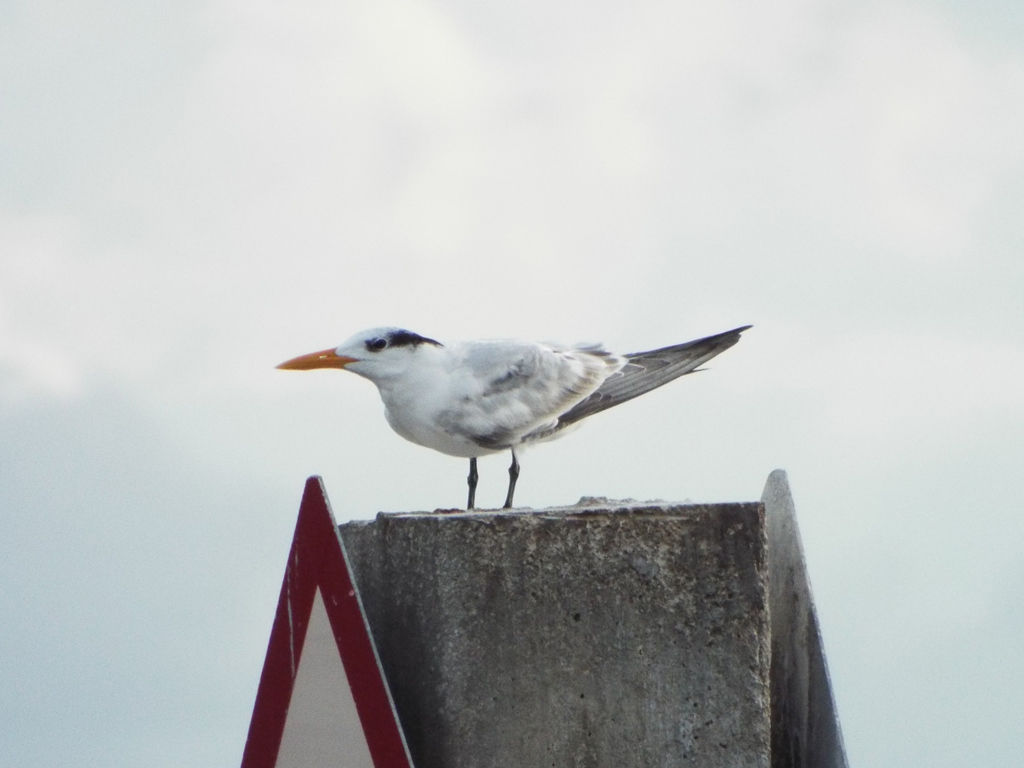
This Royal Tern is in “winter” plumage, with a white forehead and black nape feathers (I think it looks like Patrick Stewart). The buffeting wind didn’t seem to bother it much.

The sea-spray was really starting to fly, and more heavy showers were in the area, as we decided to head out. A few shorebirds were sheltering behind some sea walls or low vegetation.
spotted-sandpiper
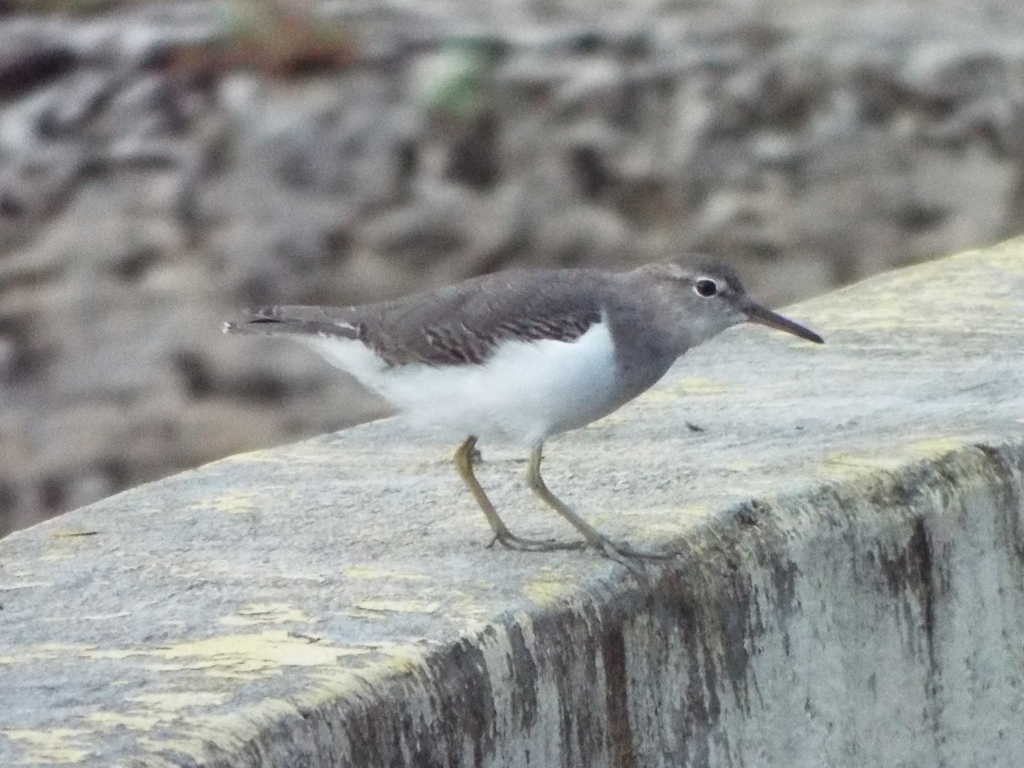
An “Unspotted” Sandpiper on top of a short sea wall. Spotted Sandpipers lose their spots over the winter, but their overall shape and constant tail-bobbing makes them easy to identify.

Matheson Hammock eBird list:
http://ebird.org/ebird/view/checklist/S32073100

Our day wasn’t quite over yet. Earlier in the day, at A.D. Barnes Park, we noticed two young, abandoned cats. I realize cats and birding are a real hot-button issue these days, and I’m not going to get into any of the politics of it here. Suffice it to say that we had it in our minds to return and get these cats out of the park and fostered or adopted. We did go back and managed to get one of the cats, but the other was much more evasive. The cat we did catch is now spayed and living inside a safe and loving home.

It was a long day, but rewarding all the same. I managed 3 life birds and got a cat off the “streets” and out of the park. I also learned my lesson to be better prepared for unexpected sighting opportunities. I’ll have to go back to Miami and get my Red-whiskered Bulbul photo, plus there are more south Florida specialties to find.
Fall all over the place

In between some “grander” adventures over the last few weeks, I’ve managed to take in some of the local changes, now that Fall has arrived, even in central Florida. Mid-October generally ushers in the dry season (though the past few falls/winters have been fairly wet), and the waterworks do seem to have shut off. With the cool weather, it’s much more feasible to spend longer mornings and even some afternoons looking for birds, whether late-season migrants or wintertime residents.

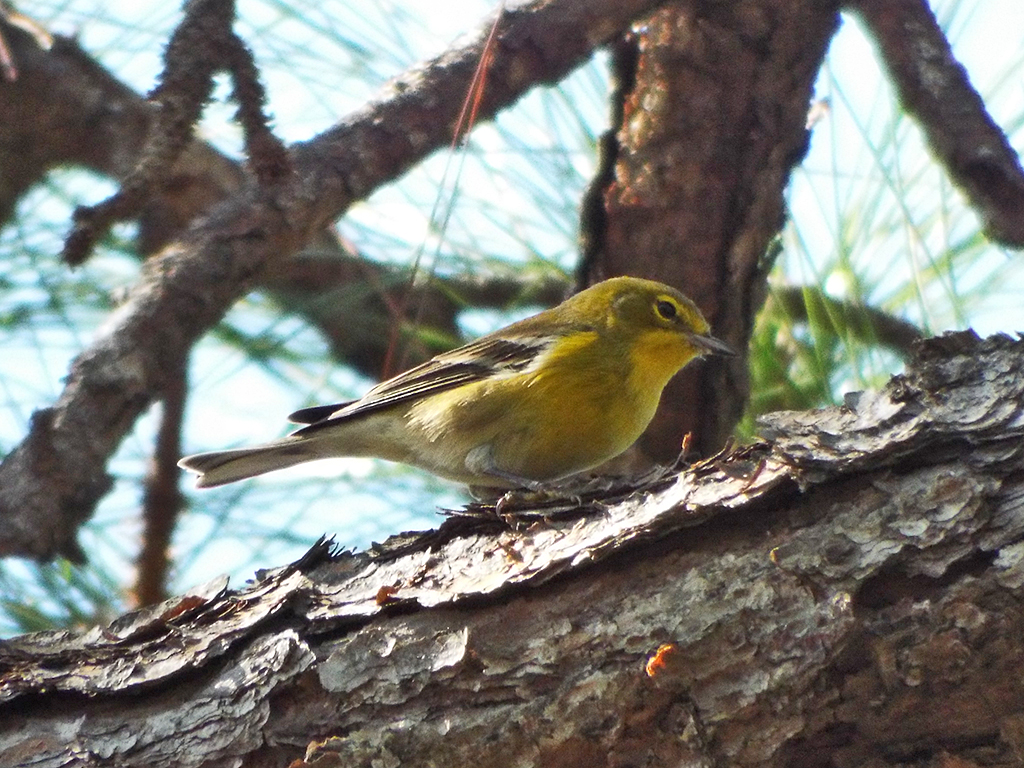
pine-warbler
Pine Warblers are year-round residents here, and add some nice color even as our Florida greenery fades for the winter. This one was hanging out at a park near where I work.

Most of the herons and egrets also stick around throughout the year. The Space Coast is a pretty built up place, and herons have grown fairly people tolerant. Even so, I still find it a little jarring when wildlife is in such close proximity to the urban world.

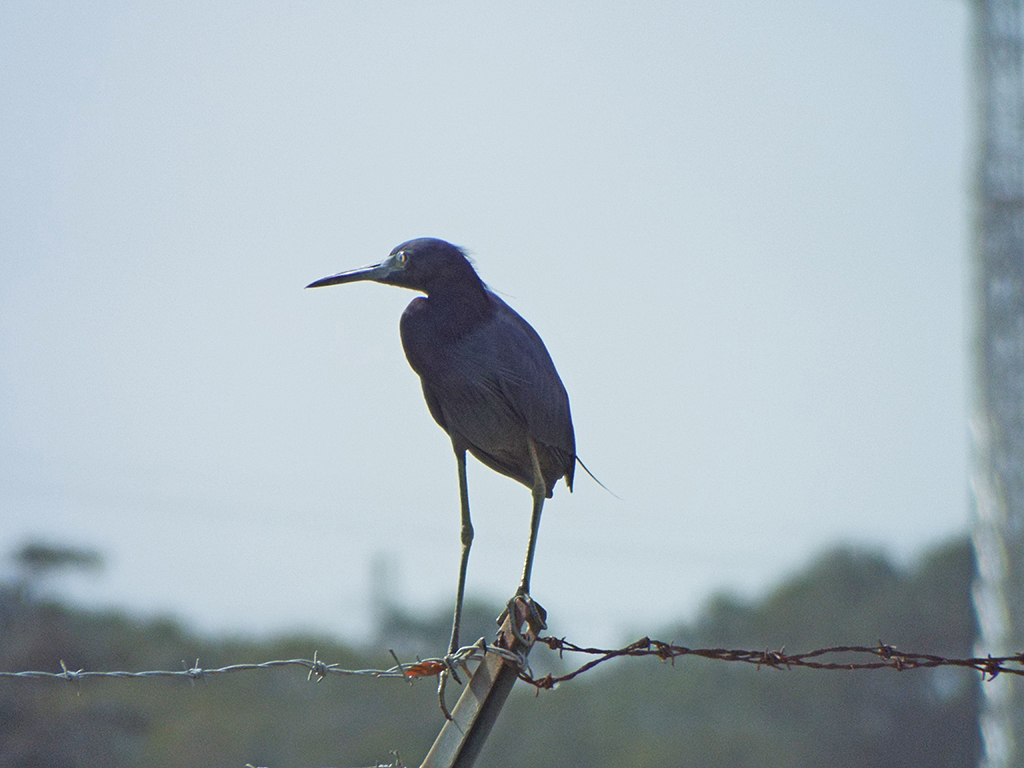
little-blue-heron
This Little Blue Heron was perched on a barbed-wire fence, enclosing a retention pond. Fences allow birds and small animals in and out, but larger natives, like alligators are unable to get in. That’s probably good for developed areas (people), but the ponds and wetlands we create are poor substitutes for the real thing, for a host of ecological reasons.

As migrants have moved through the area and resident birds have dispersed, predators are never far behind. American Kestrels are back and Red-shouldered Hawks are on alert for whatever they can get.

red-shouldered-hawk
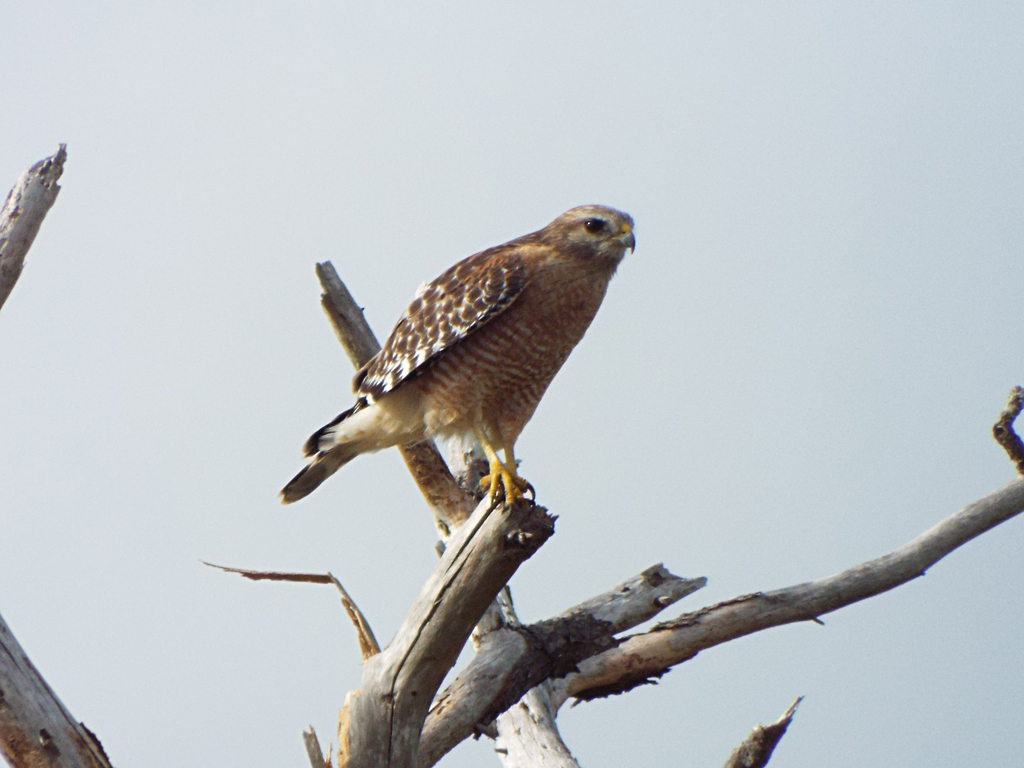
This Red-shouldered Hawk was stalking lizards and Palm Warblers near St. Sebastian River Preserve State Park.

I even managed to squeeze in an “owl prowl” at Turkey Creek Sanctuary this past weekend! We called in both a Barred Owl (probably with too many recorded calls, honestly) and an Eastern Screech Owl. I was especially proud of us getting the screech owl, because our leader had called an end to our hike, and I suggested we try for it one more time, since we’d be near the nature center and probably far enough away from the Barred Owl’s territory. I also know screech owls are a bit more tolerant of development, and the nature center is closer to the library, community center, and the road. I was right, and we got some close looks, even without spotlighting the owl!

Fall does tend to be quiet, at least until the ducks arrive in November, but that’s not always a bad thing. I’ve got the rescheduled (thanks a lot, Hurrican Matthew) Florida Ornithological Society meeting next weekend and SCBWF is going to get here real quick in January, so some relaxing time is probably good.

Peek-a-Blue!

Turkey Creek Sanctuary was closed most of last week, after Hurricane Matthew did some minor damage and left lots of debris along the boardwalk and trails. I walked the perimeter of the park before work one morning and got to play a little hide-and-seek with a male Black-throated Blue Warbler.

Other highlights included a Merlin, a Sharp-shinned Hawk, and a Red-shouldered Hawk. I also had my first Gray Catbirds of the season and some other surprises and expected comforts.

eBird List: http://ebird.org/ebird/view/checklist/S31989975

Pelagic Trip: Sept. 25, 2016

I recently had the privilege to take a pelagic (open ocean) birding trip with the Marine Science Center out of Ponce Inlet [map]. This is the same organization that heads the pelagic trips for the Space Coast Birding and Wildlife Festival. The festival trips tend to stick to the western side of the Gulf Stream. In recent years, we’ve not even ventured that far. Instead we stuck to the near-coast waters. The trips that head out over the summer and fall are longer-ranging. The goal is usually to head out to the middle of the Gulf Stream. This increases the odds of seeing pelagic birds that never venture near to shore.

We headed out early in the morning, well before sunrise. There were thunderstorms well ahead of us, and the lightning as the storms crept up from the horizon was beautiful.

At one point soon after sunrise, we had a flock of mixed seabirds along the horizon-line. I could make out some shearwaters and terns, but did not get a decent look at the Black-capped Petrels that others reported. This would have been a life bird for me, but I could not differentiate them from the terns and shearwaters, so I did not claim them.

The headlining species for the trip was the Cory’s Shearwater. If you recall from my New England trip, I saw this species as a life bird during a whale watch; however the numbers on this trip were much higher, and we came across group after group, resting on the sea.

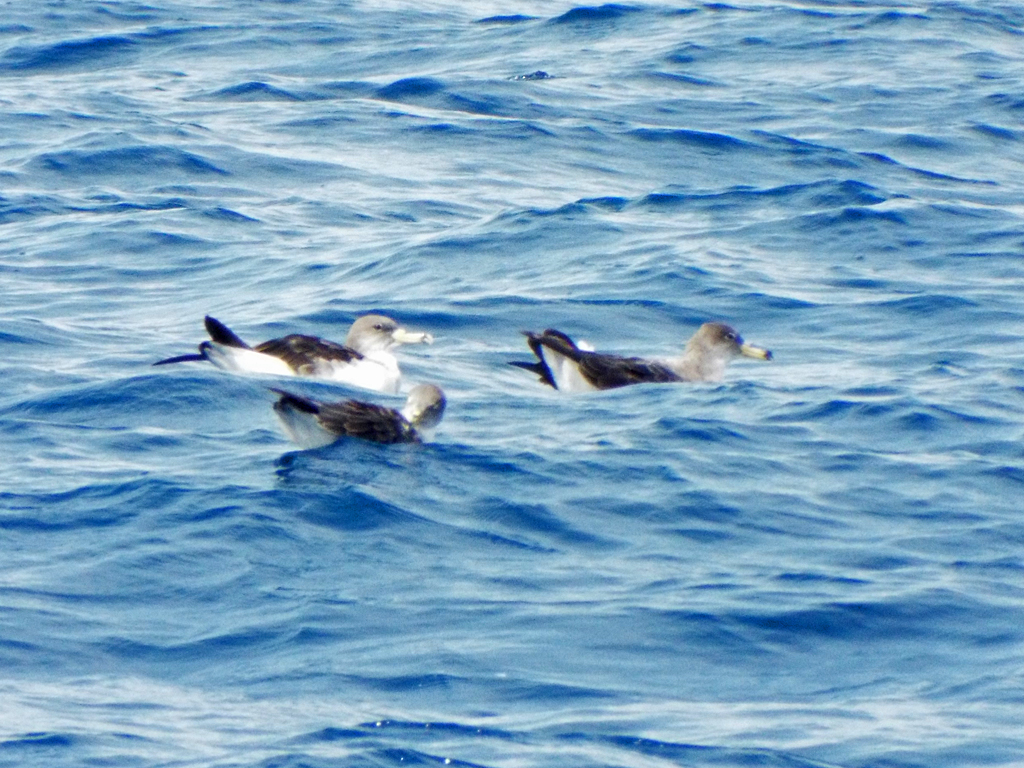
shearwaters
A few Cory’s Shearwaters resting on the ocean.

There are two subspecies of Cory’s Shearwaters – one that nests off Africa and another that nests in the Mediterranean. Both were present here, thousands of miles away from their breeding grounds. Like many shearwaters and other pelagic predators, these birds range far and wide.

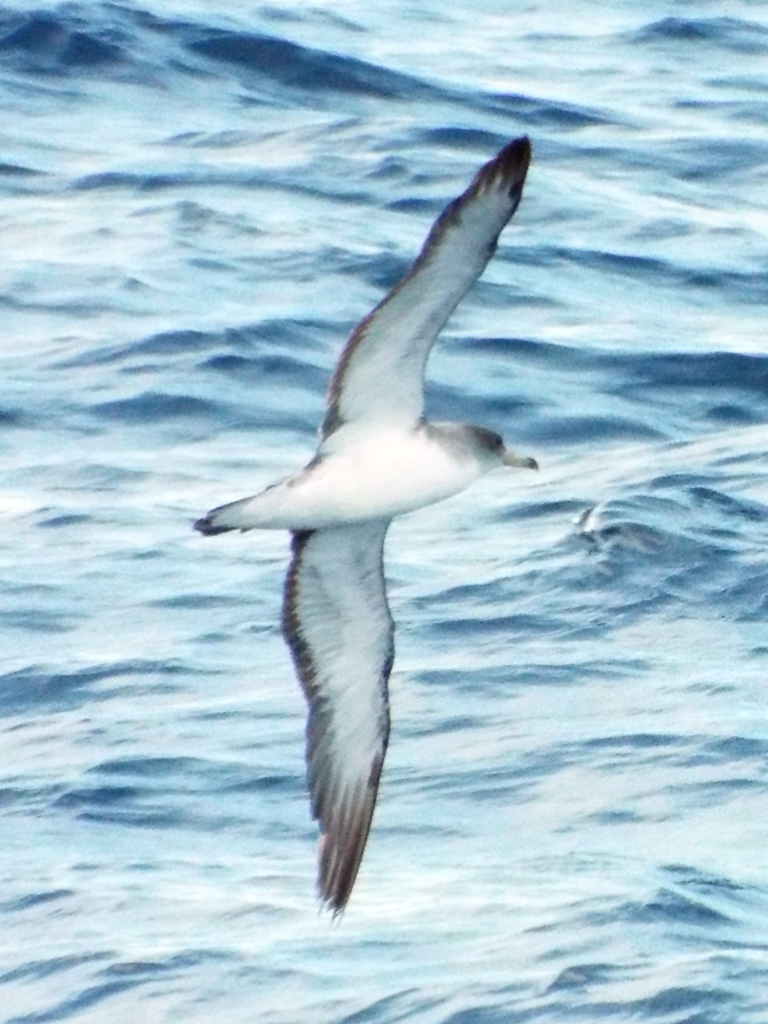
corys-shearwater2
Shearwaters have a distinctive flight pattern where they soar and then tilt to one side, perpendicular to the water. They’ll often skim one tip close to the surface.

Along with the Cory’s, we had a good number of the smaller Audubon’s Shearwaters. I still find it surprisingly difficult to photograph birds from a boat, so below you’ll see my best attempts at getting an Audubon’s Shearwater.

audubons-shearwater
Audubon’s Shearwater.
shearwater-compare
Audubon’s on the left, Cory’s on the right (in the mid-ground).

We had a few other notable encounters, including a Prairie Warbler, a Hooded Warbler, and even a Barn Swallow – all well out to sea. There was a Brown Booby and several Jaegers (we saw all three jaeger species).

We ran into a few pods of dolphins, mostly Atlantic Spotted. The first large group we saw seemed to be a mixture of adult and adolescents. I suspect they were males, but I don’t know for sure.

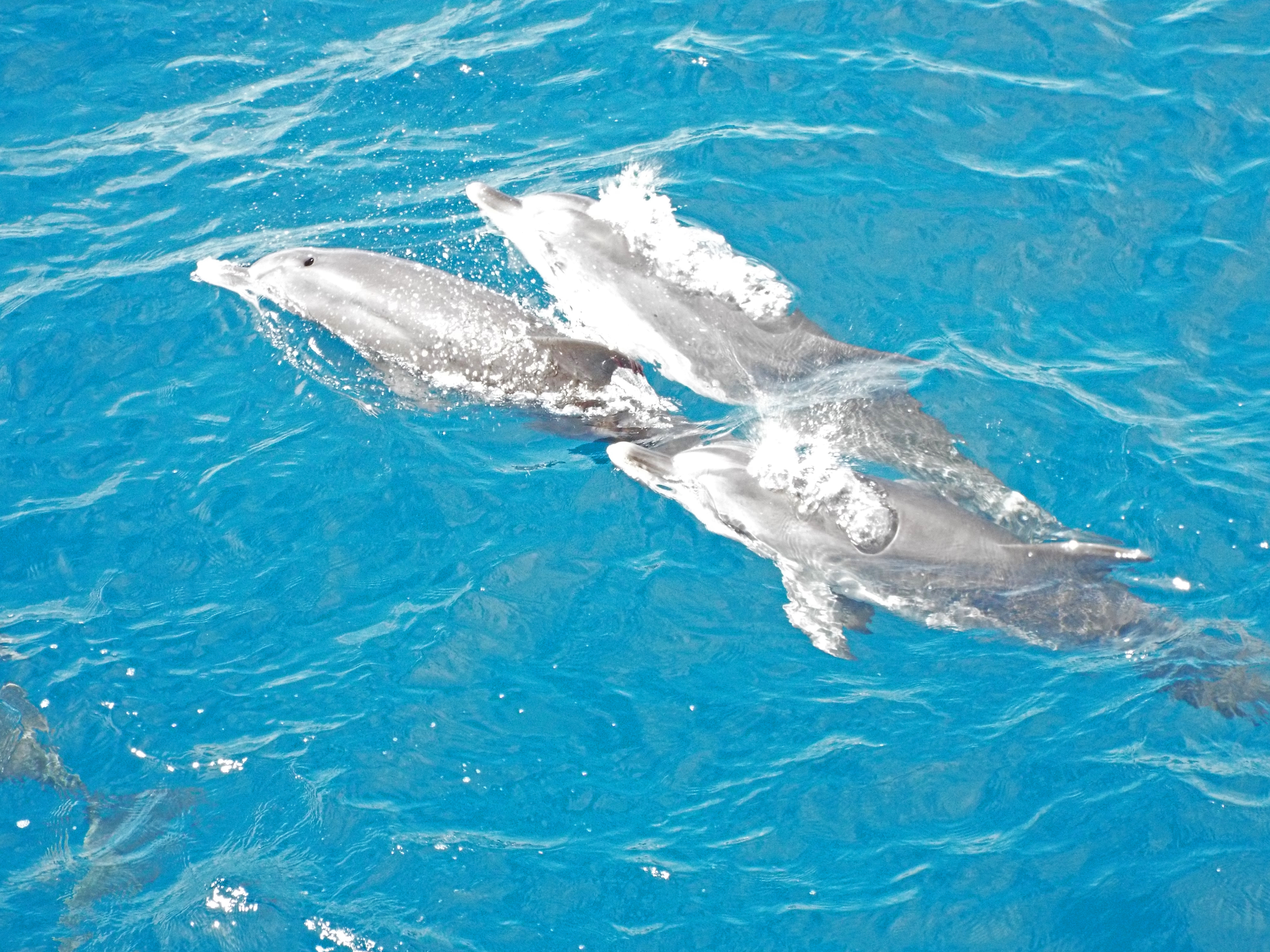
dolphin3
Young Atlantic Spotted Dolphins (notice the lack of spots).

On other trips, we’ve let the dolphins ride the bow wake, which they seem to love. I noticed that on this trip, the captain slowed or stopped the boat whenever the dolphins approached. I don’t know if there are some wildlife protection laws now being followed, or some conservation “best practices”, but some of the dolphins seemed to be hanging around the bow, waiting for us to move. We did eventually move once most of the dolphins dispersed. I noticed a few seemed to sneak in while were were under way (I didn’t say anything).

Here’s a short video of them around the bow of the boat. If you listen closely, you can hear the squeaks and whistles as they communicate with each other.

One reason I say these were males is because a short time later, another pod came racing toward us. This time there were single adults, many with a calf alongside. I assume these were females and their babies. As with previous SCBWF trips, the moms seemed to be trying to display their babies to us. They would push the babies along one side and up toward the surface wherever we were hanging over to look. I was so excited to see this, I forgot to take any photos or video! Sorry.

On the way back to shore we had some Sooty Terns and a few Bridled Terns, as well. These species are very rare to see from the coast. Our final treat was a flyby of a Sabine’s Gull, the only life bird on the trip for me.

For eBird purposes, the trip was divided into 9 legs (and one list for the inlet). I’ve used and edited the shared trip lists here (which probably overcount some of the species I personally saw, but it’s close enough). Here are all ten lists, if  you’re interested (Note that the photos in the eBird lists here are not mine, but mostly taken by Douglas Richard):

Leg 1: http://ebird.org/ebird/view/checklist/S31810628
Leg 2: http://ebird.org/ebird/view/checklist/S31810631
Leg 3: http://ebird.org/ebird/view/checklist/S31810634
Leg 4: http://ebird.org/ebird/view/checklist/S31810636
Leg 5: http://ebird.org/ebird/view/checklist/S31810641
Leg 6: http://ebird.org/ebird/view/checklist/S31810646 (No birds on this leg)
Leg 7: http://ebird.org/ebird/view/checklist/S31810650
Leg 8: http://ebird.org/ebird/view/checklist/S31810651
Leg 9: http://ebird.org/ebird/view/checklist/S31810653
Inlet: http://ebird.org/ebird/view/checklist/S31810654

We had several hundred (!) hatchling and washback sea turtles on board that we were supposed to release into Sargassum (floating seaweed) one we got out into the Gulf Stream. Unfortunately, we could not find any suitable size patches or lines of Sargassum for the turtles, so the poor things had to make the trip back to shore. There will be another attempt to get them out from another location.

I love these pelagic trips, so it is with some concern that I learned the boat we were on (that’s been used for every Florida pelagic trip I’ve done), the Pasttime Princess, is to be sold. This was its last trip, at least in this incarnation. Michael Brothers (from the Marine Science Center) said these trips, including the SCBWF, will continue in some fashion. Still, it was sad to say bye to the Pasttime Princess and the crew.


Good Ol’ New England: Cape Cod Adventure

A few weeks ago, I had a short trip to New England (hopefully you saw my whale watch photos). I’ve not had a chance to update the blog until now, so I’ll dump a few photos now.

The bulk of my pictures are from Cape Cod. I started at Morris Island [map](near Chatham) and Chatham Light, then worked my way over to Coast Guard Beach [map] (via the trail from Doane Rock [map]), then walked south toward Nauset Beach [map], where some Least Terns and Piping Plovers were finishing their nesting season (behind some wire fencing). I ended that day with a drive to and a hike at Beech Forest Park in Provincetown [map].

To avoid parking issues, I cheated a bit and parked at the Doane Rock Picnic area and walked a trail to Coast Guard Beach. Technically, there’s an hour limit for parking at the picnic area, but I’ve never known the lot to be full, so I thought it was worth the risk of a ticket. It paid off, with nice paths and some surprise birds, like Red-breasted Nuthatches. The biggest surprise, though, was a group of Grasshopper Sparrows that flew into the area around the rock for a few seconds, before flying away.

There was a large number of Gray Seals (with a few Harbor Seals) just off the beach where Coast Guard Beach ends, at the inlet north of Nauset Beach. They were lounging in the shallows, some of them looking like they were basking in the sun, but while submerged.

Over at Beech Forest Park, I enjoyed a nice short walk in the woods, with more chickadees and a few White-breasted Nuthatches, as well as Canada Geese in the parking lot.

Here are all the Cape Cod related eBird lists, for those of you as are interested:

Monomoy NWR-Morris Island:
http://ebird.org/ebird/view/checklist/S30932427

Chatham Lighthouse:
http://ebird.org/ebird/view/checklist/S30932716

Doane Rock (and the trail to Coast Guard Beach):
http://ebird.org/ebird/view/checklist/S30936236

Coast Guard Beach (including all the way the inlet near Nauset Beach):
http://ebird.org/ebird/view/checklist/S30935835

Beech Forest:
http://ebird.org/ebird/view/checklist/S30939157


Whale Watch Bird Watch

As I briefly noted in my last entry, I spent a few days in New England a couple of weeks ago. Although I grew up in Massachusetts, I’d never been on a whale watch and I’d been told by a few birder friends that in addition to seeing whale (awesome!), most whale watches have some decent birding. I chose to go out with 7 Seas Whale Watch, out of Gloucester. They are known to have quite a few birders on staff, so it seemed like a win-win.

The weather wasn’t great. We had intermittent showers and low visibility, but the temperatures were comfortable, and the boat had a decent amount of cover out of the heavier rain and spray.

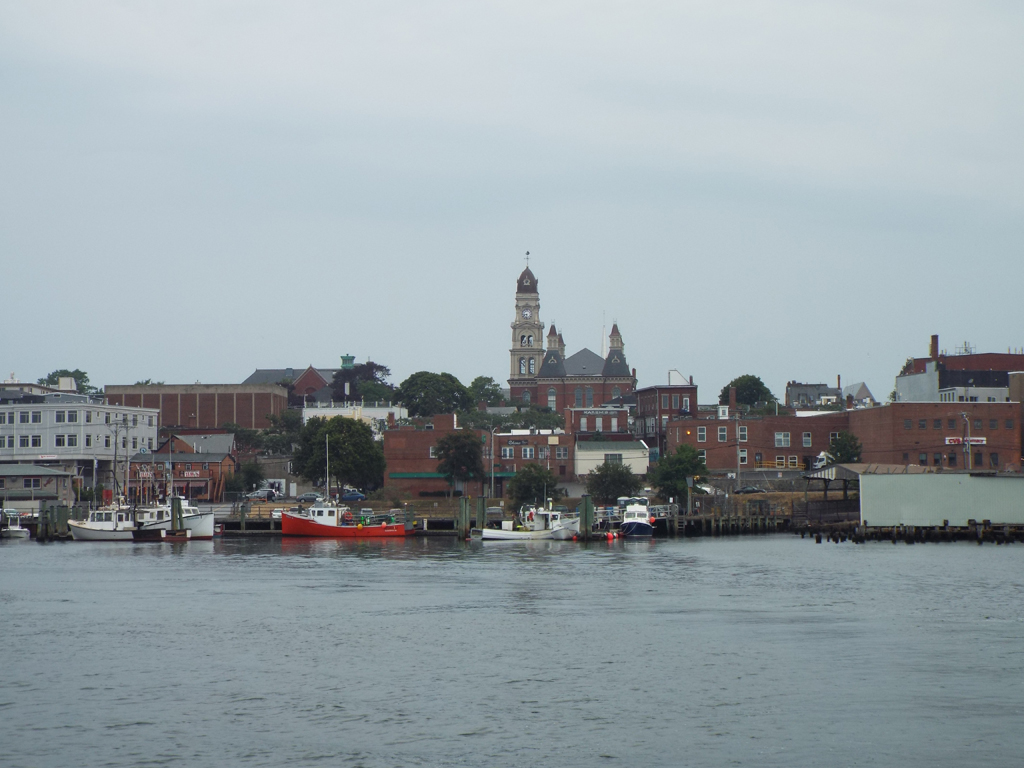
gloucester-harbor
Gloucester Harbor, as we departed.

At the harbor entrance there were loose rafts of Common Eiders. The males were in eclipse plumage (a darker, more drab coloration), indicating that the breeding season is pretty much over for these ducks. I was happy to see Bonaparte’s Gulls, still sporting their summer-time hoods. These gulls are in their winter plumage by the time they arrive in Florida and have only smudgy “ear” patches on an otherwise whitish head (Sorry, but my photos did not come out due to the heavy mist and dim lighting).

I met one other dedicated birder on the boat, Mark Kosiewski and his companion Sasha. I compared notes with Mark periodically and we puzzled out the identification of a few birds together. I had hoped to exchange contact information with them before the morning was over, but I wasn’t able to catch up with them after the boat docked and we debarked. Interestingly, Sasha was an art major at Bridgewater State College (now University) at the same time I was (before I switched to Geography). We knew some of the same professors and she dated some local guys that were in my sister’s graduating high-school class. She graduated a couple of years before I did, so we didn’t have any art classes together, but I probably saw her around the art building at the time. She also has some family ties to the Space Coast. Small world, yeah?

As we transitioned into the open water, the first “pelagic” (oceanic) birds to appear were the shearwaters. There are four species of shearwaters that frequent the area near Stellwagen Bank: Cory’s, Manx, Great, and Sooty. We saw all four, and all were life-birds for me.

corys-shearwater
A Cory’s Shearwater on a pass close enough to get a recognizable photo.

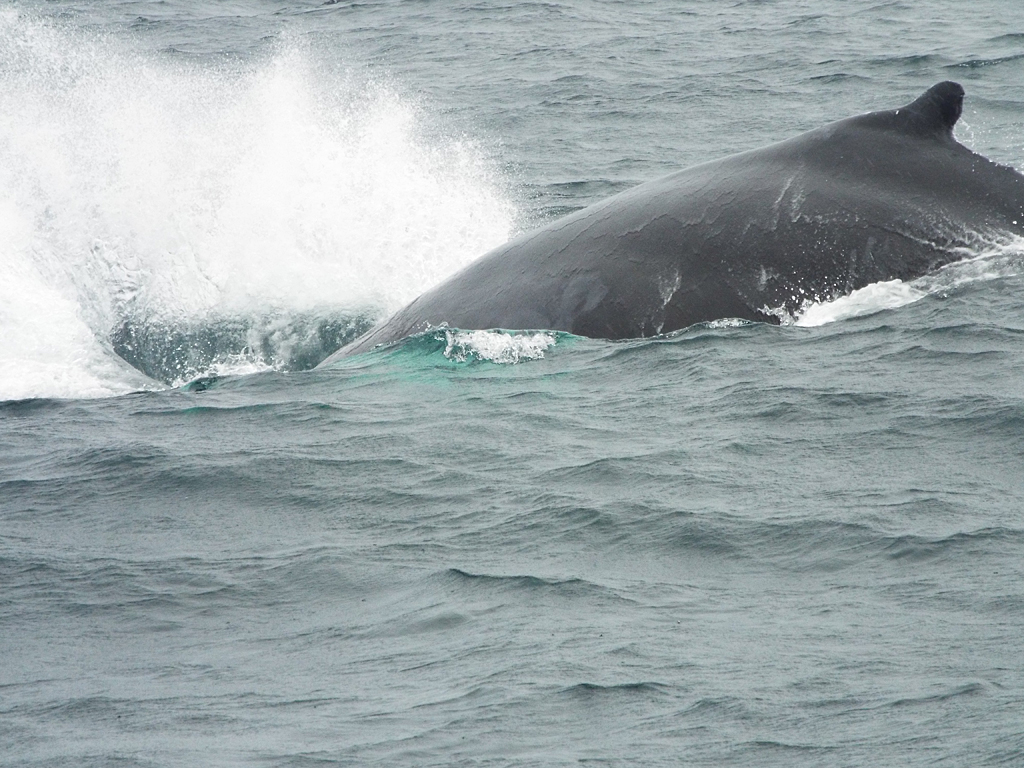
Of course, the main reason for the whale watch did come into view soon thereafter. We repeatedly encountered two 3 year-old Humpback Whales named UFO and Barclay. The video I posted last time was of UFO diving and showing us some good flukes. Here’s the video again.

The whales were feeding near each other and at times interacted. These whales can travel quite fast, too. At one point we went off to another part of Stellwagen Bank at what I thought was a fairly quick pace, but when we arrived at our new spot, the two whales were already there ahead of us!

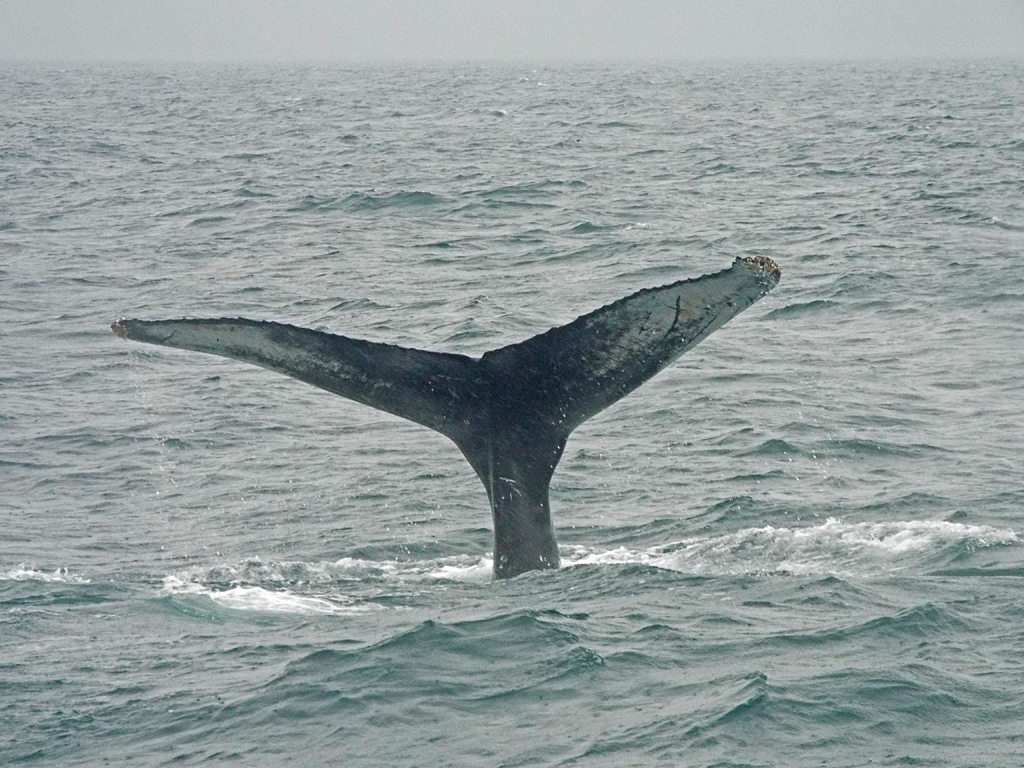
flukes1
Every Humpback has a unique pattern of light and dark under their flukes. These are used by people to identify individual whales throughout their lives.
surging-humpback
Humpback Whale after a lunge where its head came out of the water. It did this with a surprising amount of speed an power, as you can see from the splash!
blow-hole
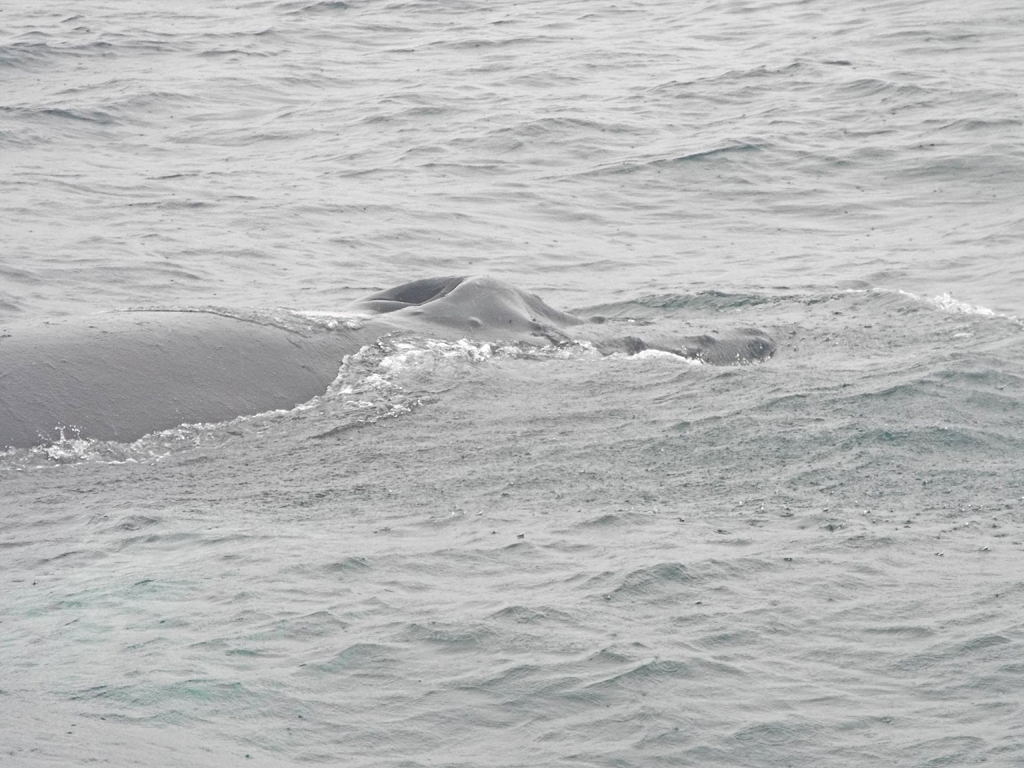
Here you can see the whale’s blow-hole and some of the “stove bolt” knobs on top of its head.

The further out we got, the more Cory’s Shearwaters there were. Other shearwater species came into view, too. Manx and Sootys are noticeably smaller than the Cory’s and Great Shearwaters, but size can be deceiving when distances are hard to gauge. Fortunately, I had several sightings where Manx and Cory’s or Sooty and Cory’s were flying close together, so it was easy to tell the differences in size and proportions.

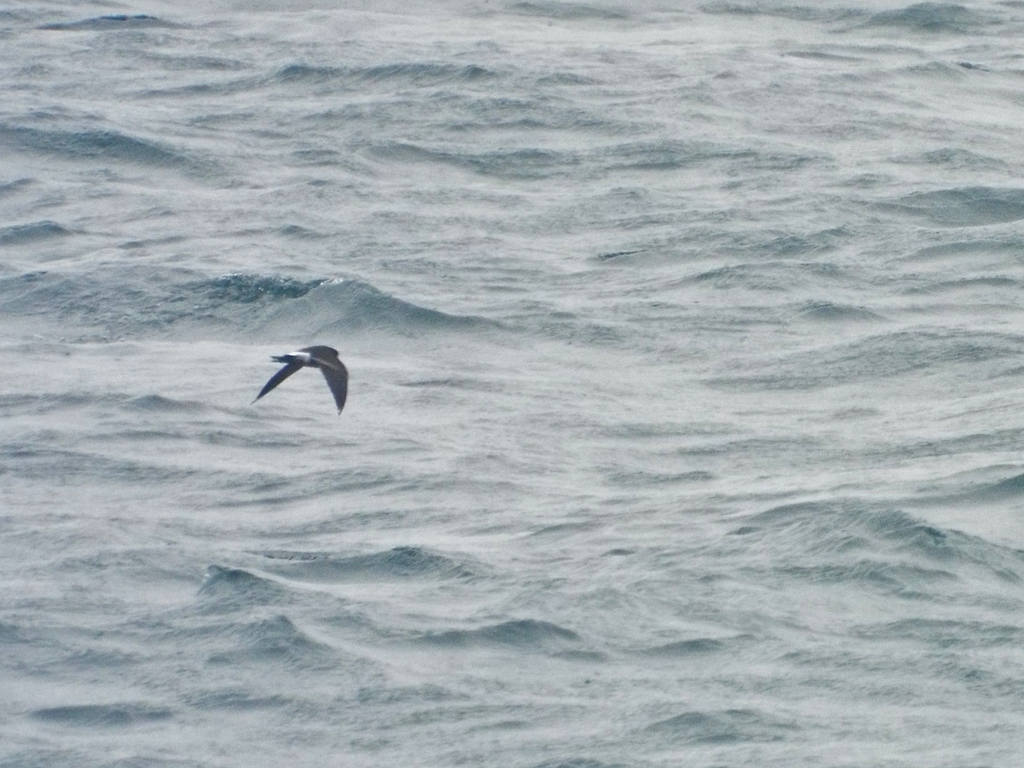
I was hoping to see a couple of storm-petrel species, but only Wilson’s Storm-petrels seemed to be out and about (another life-bird for me). These birds look almost like swallows or swifts, as they dash about the waves. Occasionally they will stall up and dip their feet on the surface of the water in a behavior called “pattering”. It is assumed they do this to attract or gather prey, but I don’t know exactly how that works.

wilsons-storm-petrel
One of the better views of the relatively small and fast-moving Wilson’s Storm-petrels.

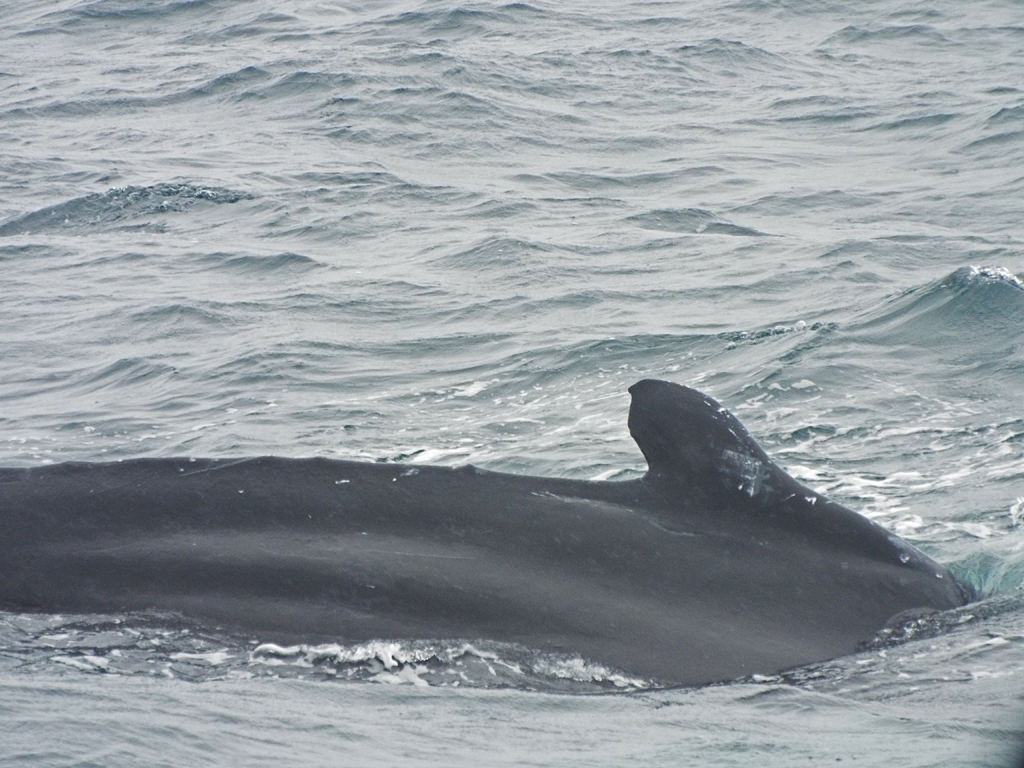
As we traveled from place to place around Stellwagen, we got quick glimpses of Minke Whales and some pilot whales. Minke Whales are very fast moving and don’t stick around. A few quickly surfaced near the boat, showing their characteristic pointy dorsal fins, before diving out of sight.
The young Humpbacks were never too far away at most of our stops. Barclay got quite close to the boat a few times, even treating us to a tail slap. I noticed that our boat’s captain never tried to purposefully get too near the whales, but let them come to us. A few other boats in the area would dash up to the whales quite quickly, which I thought was a bit rude and unsafe.

hump
The Humpback Whale got its name because of the particular way they hunch their backs before diving.

As we headed back toward the harbor, we saw more shearwaters and storm-petrels in addition to Herring and Great Black-backed Gulls, and a surprise adult Northern Gannet.

Here’s my complete eBird list, including birds seen at the dock area before and after the whale watch:
http://ebird.org/ebird/view/checklist/S30914154

I love pelagic trips. I had fun just being on the water and seeing what was around me. The whales were stupendous, and I got 5 life-birds out of the experience, too. If you even have the opportunity to go on a whale watch, I suggest you take it!


I’m on a boat! (was)

I went on a short trip to New England last week. I did a whale watch and visited a few of my old, favorite places on Cape Cod and other parts of southern New England. Enjoy this short video of one of the Humpback Whale encounters we had on the 7 Seas Whale Watch while I get some of my photos in order for posting soon.
The wind is a bit loud, so you might want to turn down your sound a bit, at least a first! See you soon!

Lakeland Lakes, Part 2: Swan Lake

Hello, readers, and thank you for your patience in my getting Part 2 of my Lakeland adventure out to you.

Whereas the focus on  Part 1, at Lake Mirror, was on ducks, this part we’re going to talk mostly about the swans on Lake Morton [map].

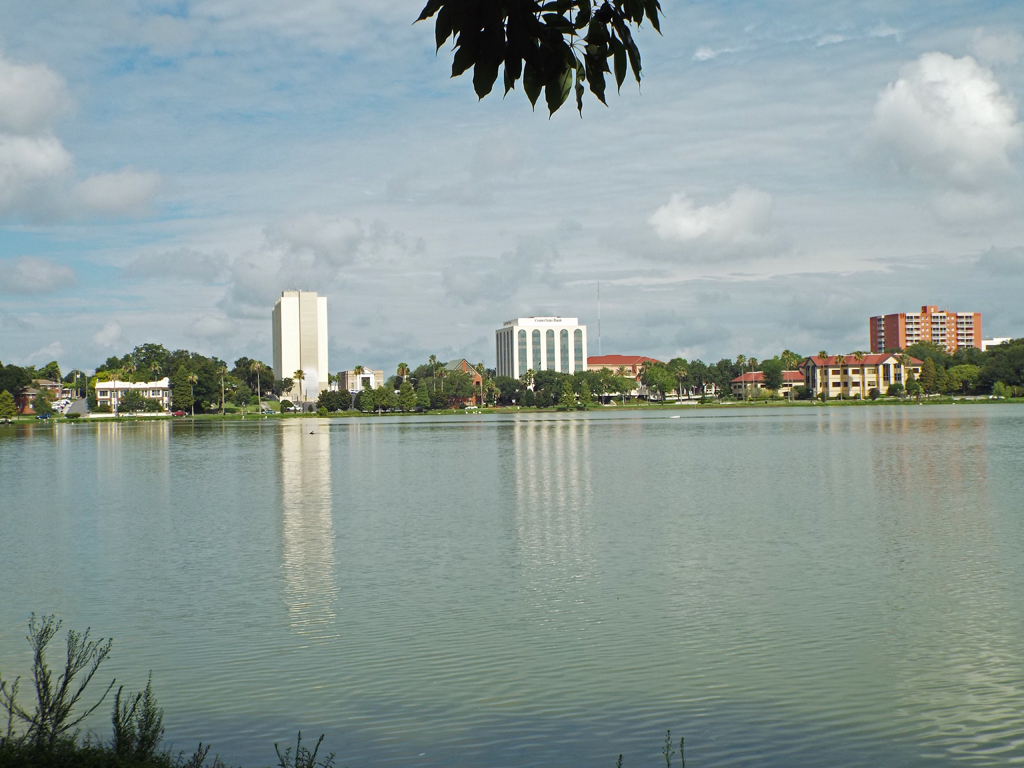
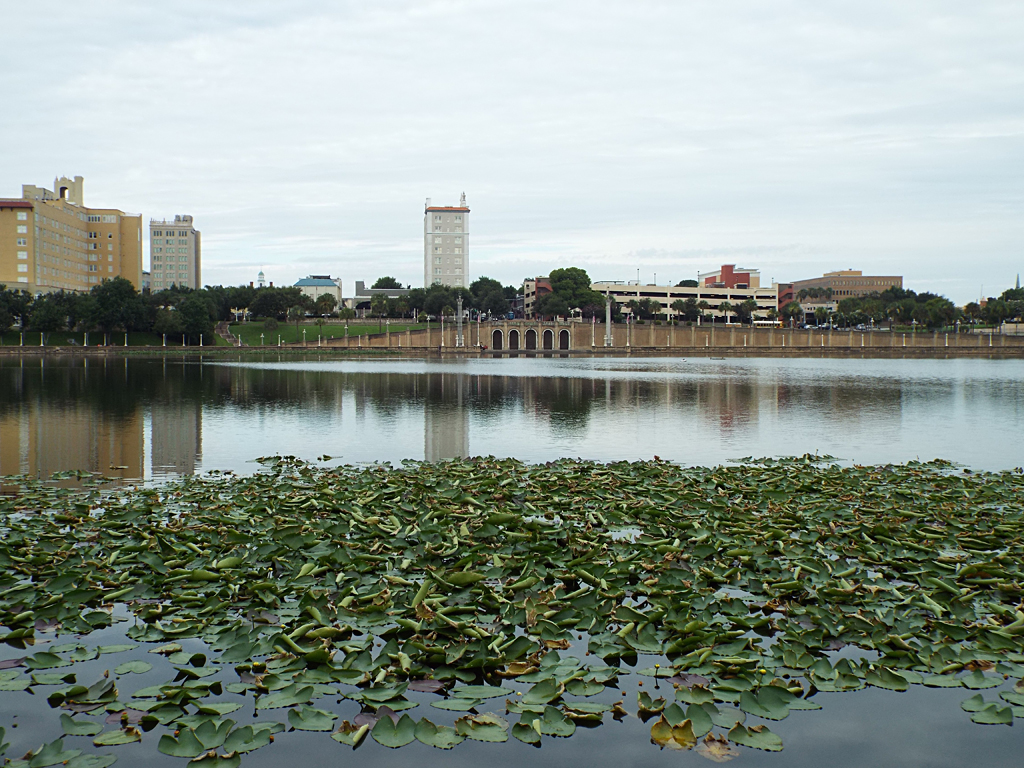
lake-morton1
Lake Morton, as the overcast started to break up.

There have been swans in Lakeland since at least the 19th century. While local histories call these birds “native”, it’s important to state that North America’s only two indigenous swan species, the Trumpeter and Tundra Swans, do not have historic ranges in the southern United States. But swans (probably Mute Swans) had been around since at least the early 1920s. Their numbers dwindled until the last swans were gone (probably by alligators) in the 1950s. When a former Lakeland resident living in England heard about this, she asked Queen Elizabeth II (so the story goes) to help. A pair of “royal swans” (Mute Swans descended from Richard the Lion-Hearted’s flock) were eventually sent, and the city’s swans were restored. Through the years, other swan species have been introduced to Lake Merton, including at least one pair of Coscoroba Swans and Black-necked Swans. Both Mute and Black Swans remain the most numerous.

There’s a concerted effort to keep the birds in and around Lake Morton and other city lakes, and the birds are “rounded up” each year for health checks and to have their wings clipped, in an effort to keep the swans in and around the city from spreading into the area. Swans are an invasive species in Florida, so keeping the birds contained is an important (but probably, ultimately, futile) task.

But there’s no denying the birds are beautiful to look at. Here are some photos from Lake Morton and it’s iconic swans.

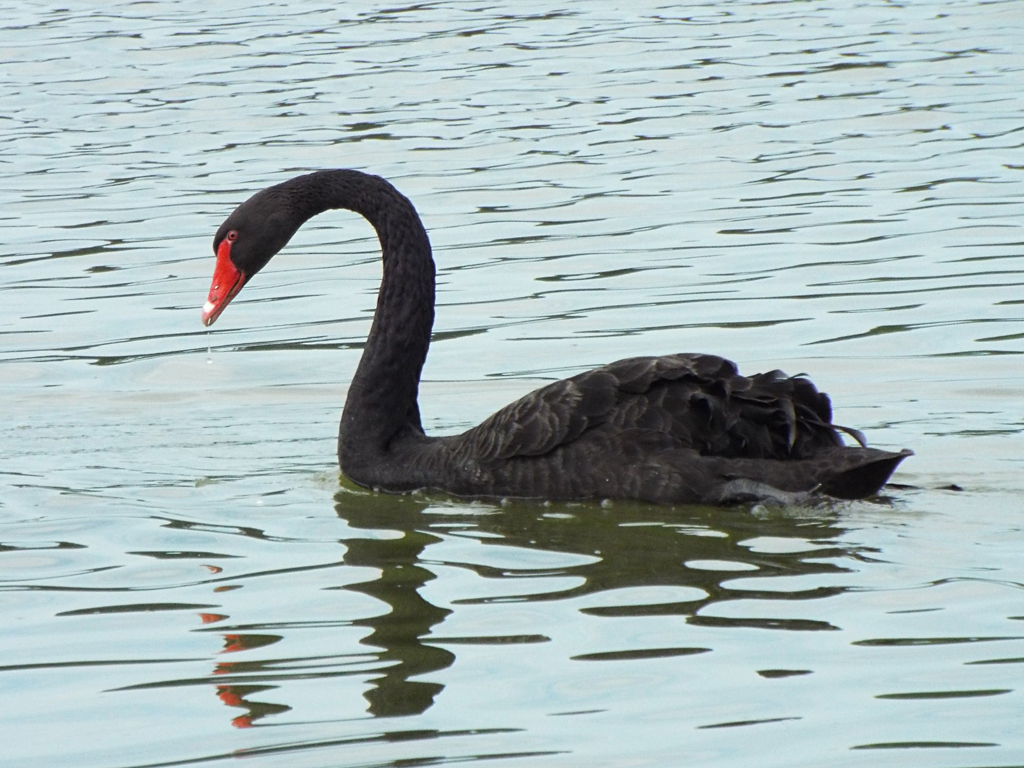
black-swan1
Black Swan on the lake.
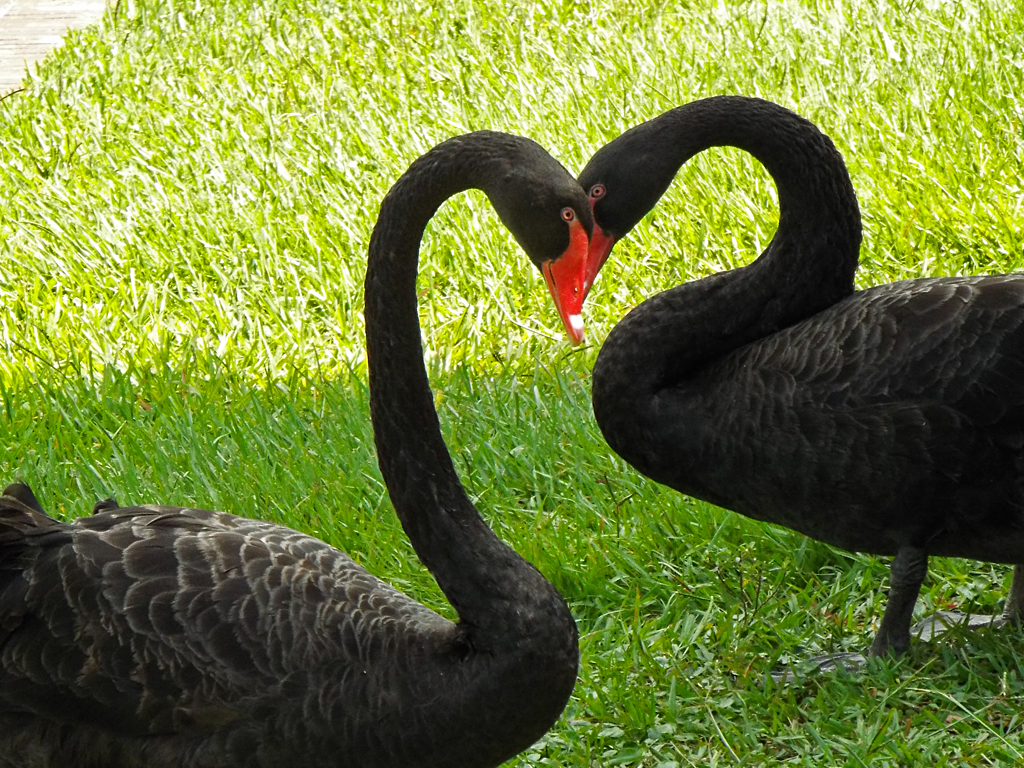
black-swans-c
Mated pair of Black Swans. They were doing some kind of courtship/bonding dance.
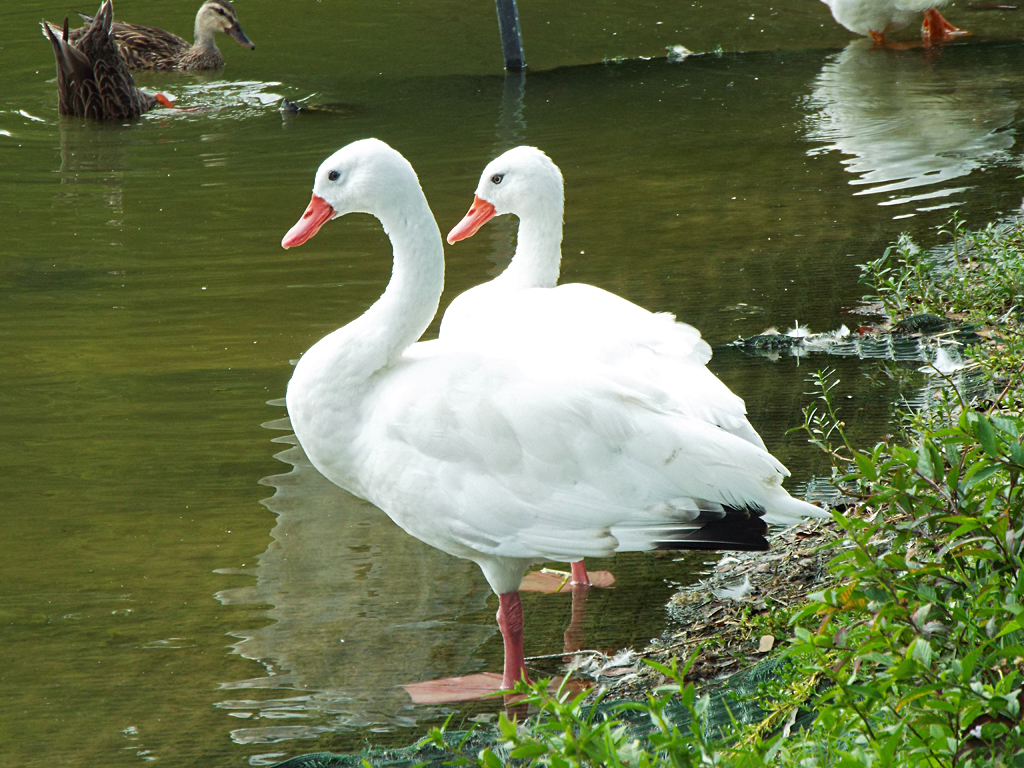
coscoroba-swans
This is a pair of Coscoroba Swans.
mute-swan1
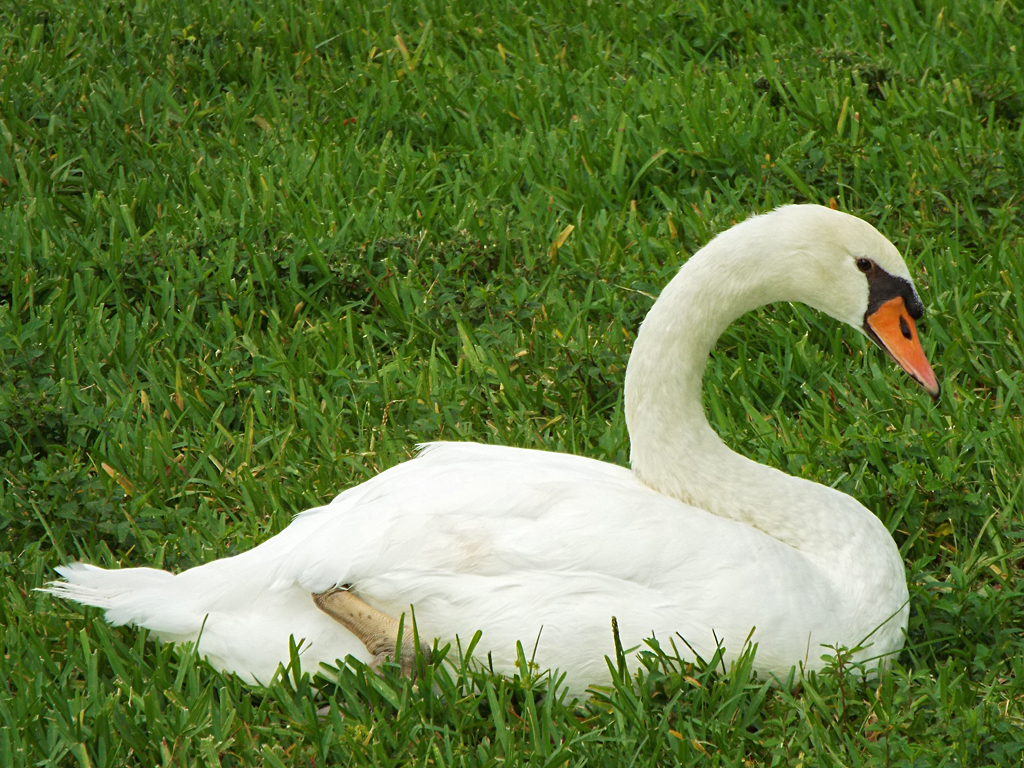
Most of the Mute Swans were sitting in the grass, sleeping or preening.
black-necked-swan
One of two aptly named Black-necked Swans.
mute-swan2
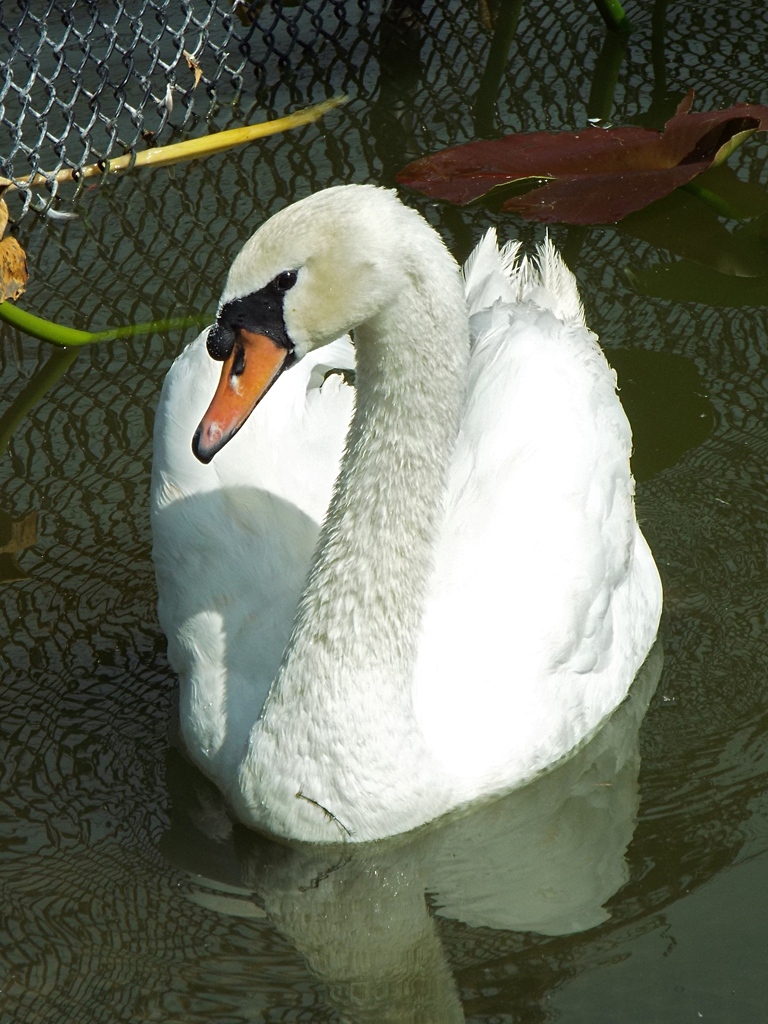
Although quite beautiful, Mute Swans (as with most swans) can be very territorial and aggressive. This one was sizing me up as I took the photo.
mute-swan-cygnet
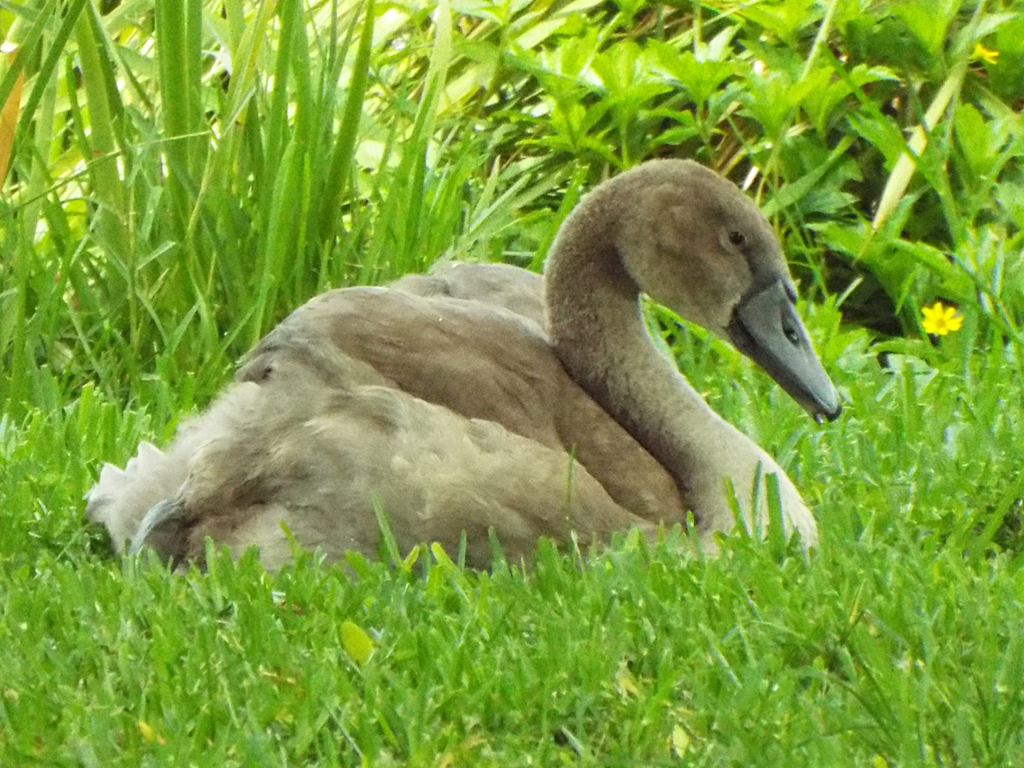
One of several Mute Swan cygnets.

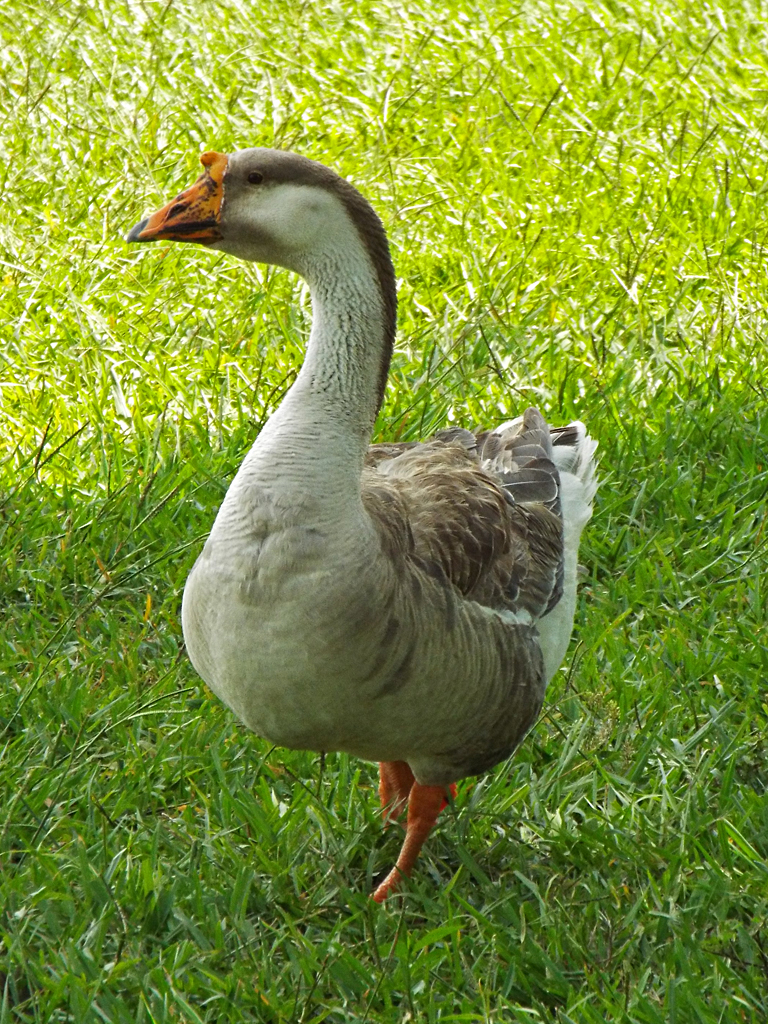
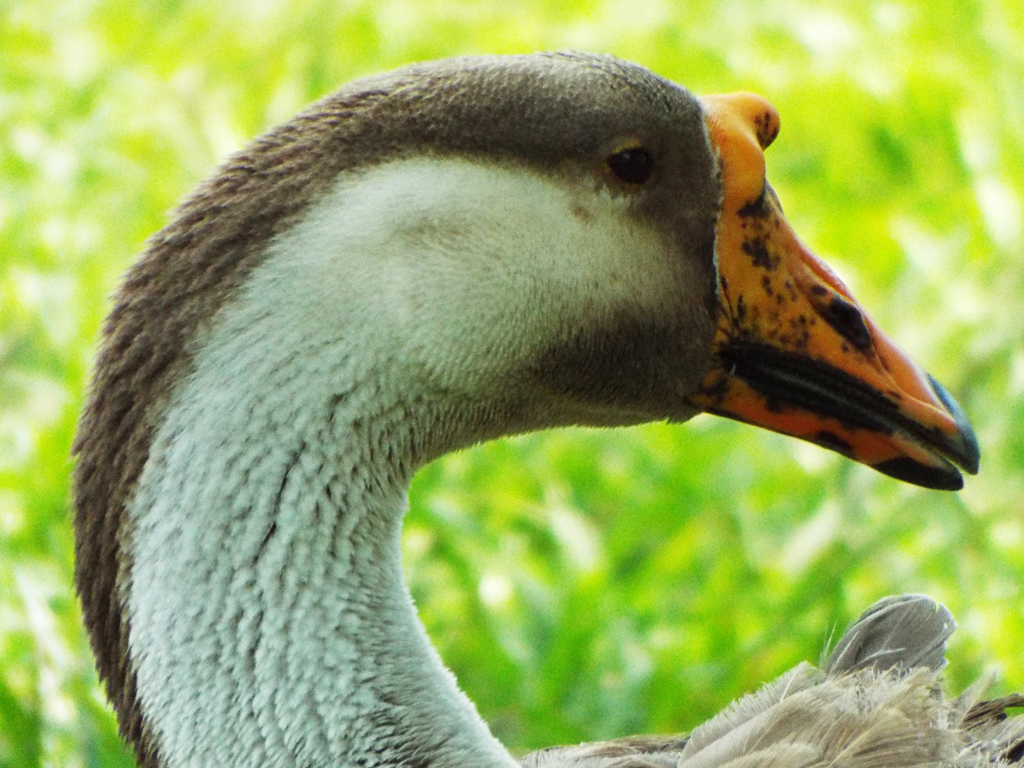
Another bird of interest on Lake Morton is the Swan Goose. It looks very much like a Greylag Goose, but with a dark nape and a knob on the bill.

swan-goose1
Swan Goose.
swan-goose2
Close-up of a Swan Goose head.
graylag-goose
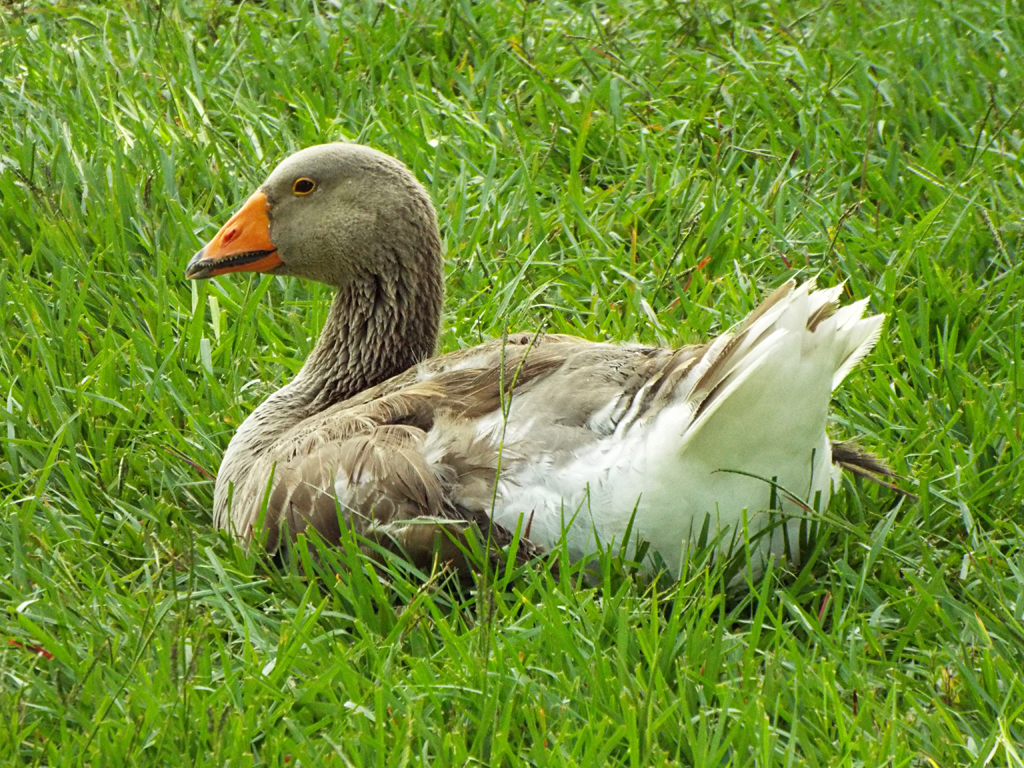
Greylag Goose for comparison.

Of course there were also a good representation of native birds on the lake. With the sun out, the colors of the Wood Ducks were easier to see.

wood-duck-sun
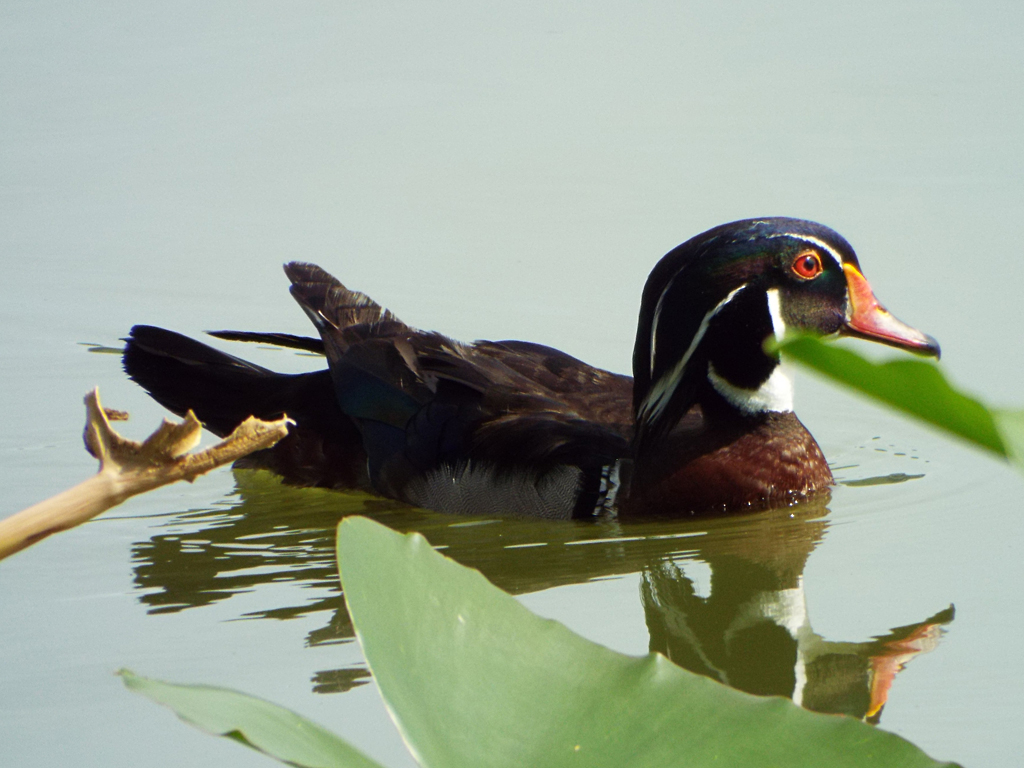
Wood Duck drake, better lit.

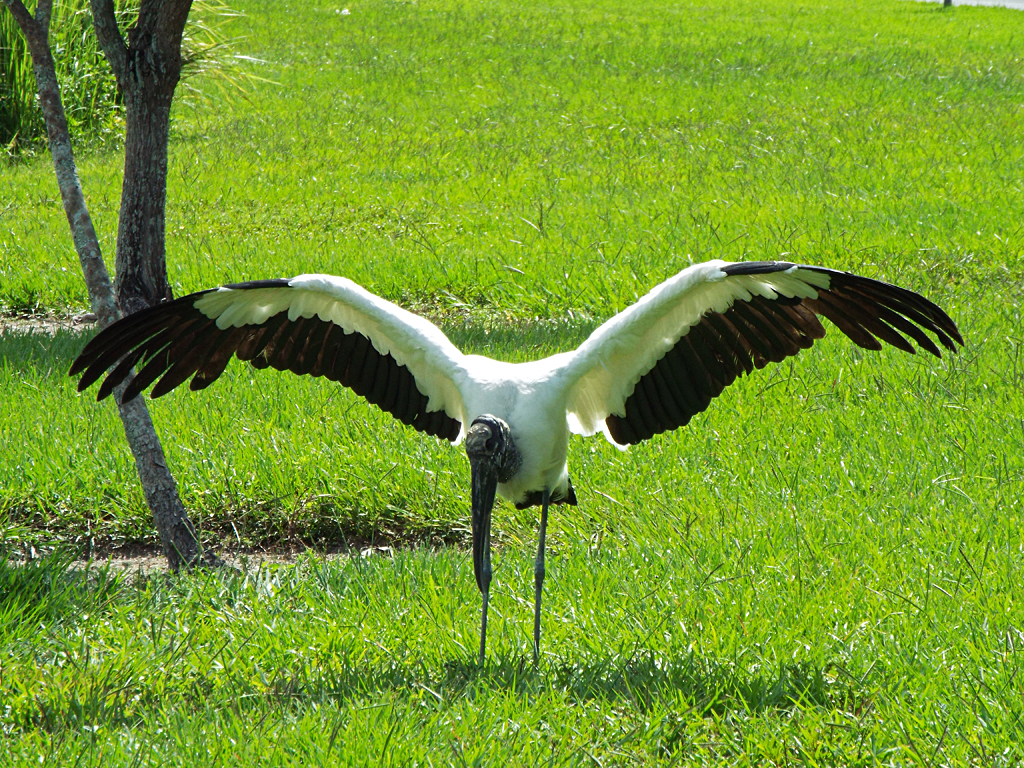
One side of the lake had a small flock of Wood Storks, mostly resting. One bird was standing apart from the rest, with its wings outstretched, slowly walking and turning about. Storks don’t normally forage in the grass, and it was a warm morning, so I am not sure what this posture was indicating.

wood-stork-spread
Wood Storks are large birds, with wingspans of up to 1.8 meters (6 feet).

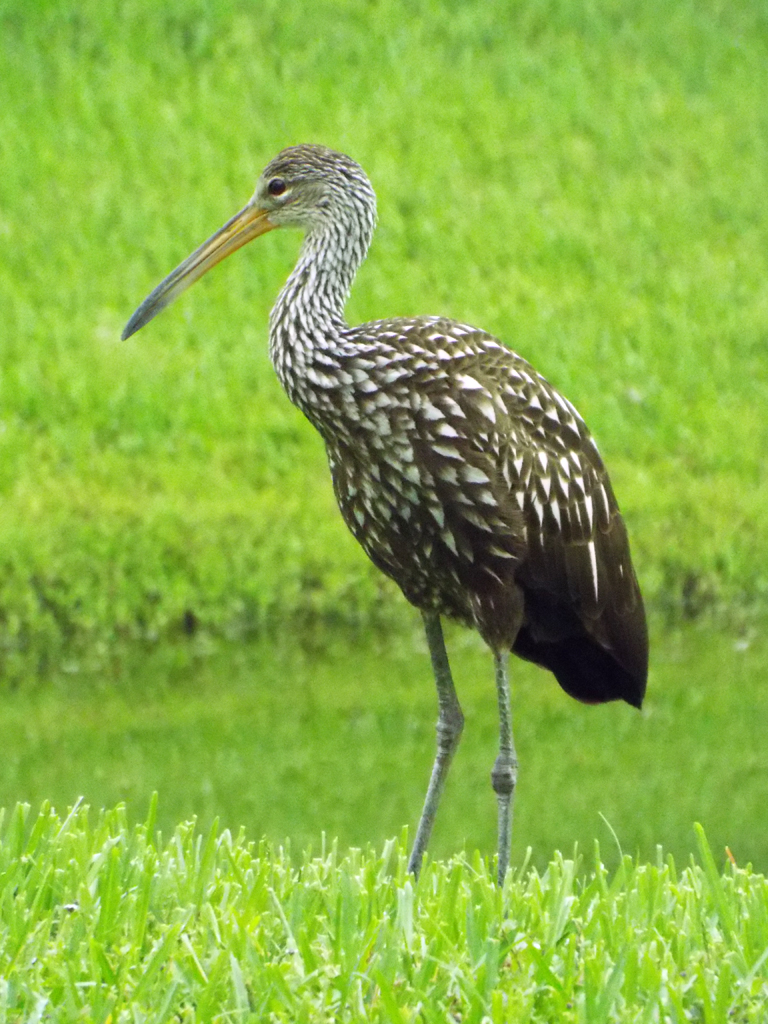
Various wading birds were present, including a few Limpkins (some with nearly fledged chicks).

limpkin
Limpkin.

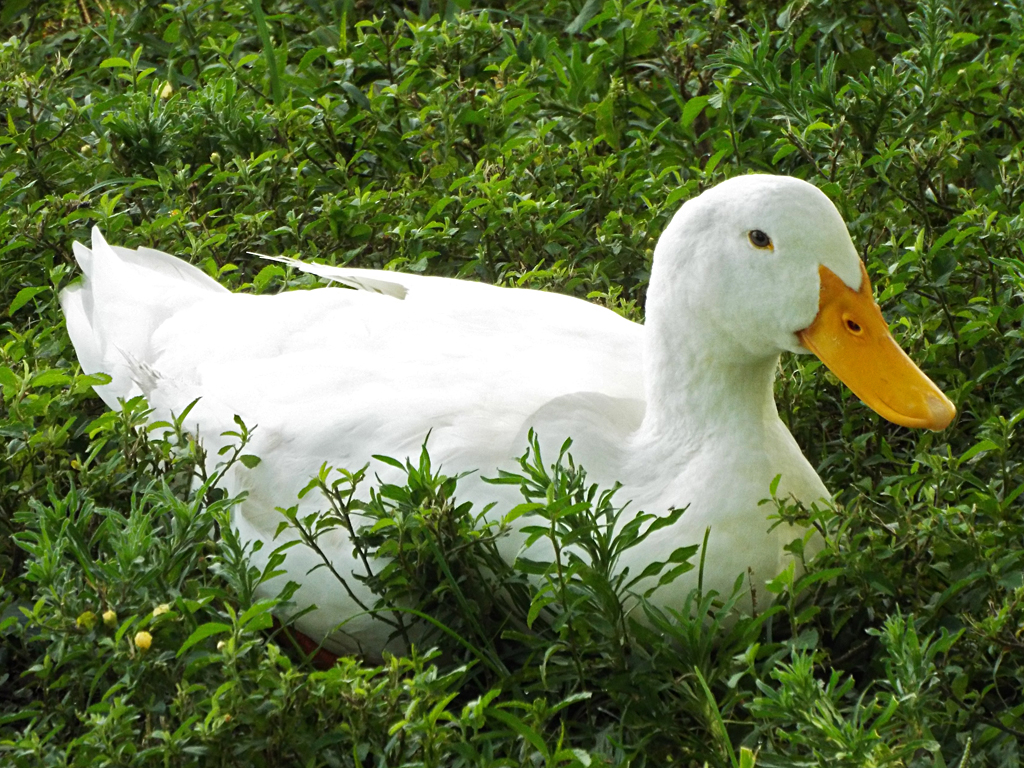
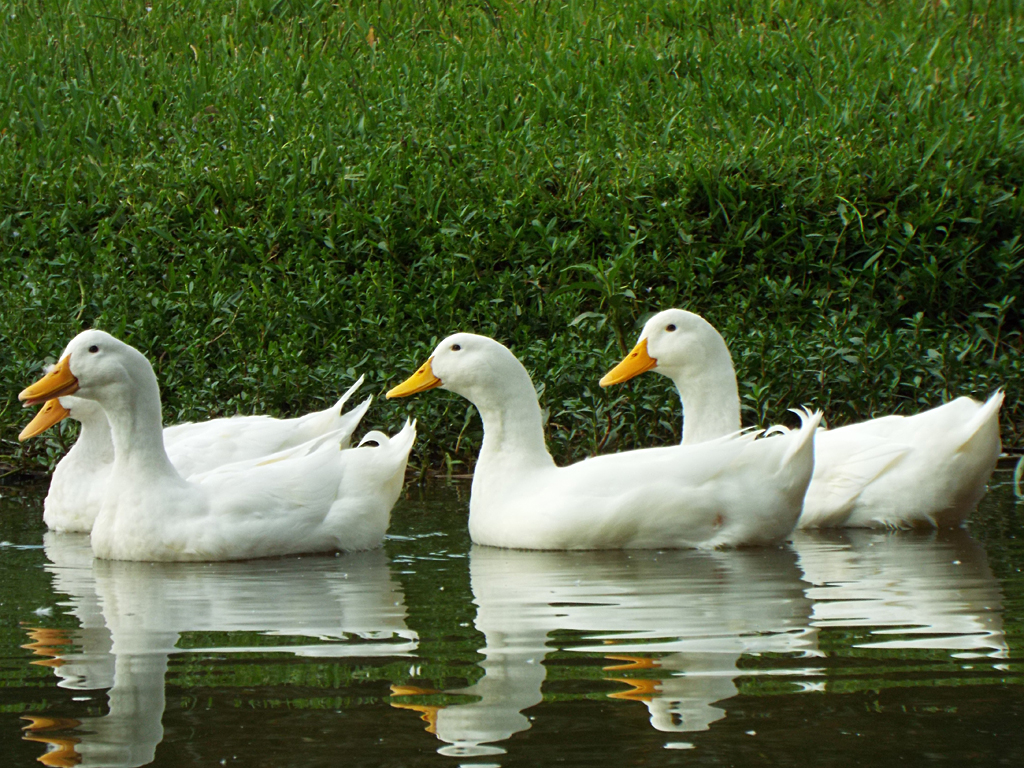
Lastly, I wanted to leave you with a couple of photos of domestic or Pekin Ducks. I’m quite partial to ducks, and since these guys are certainly never considered in official birding lists or eBird, I like to give them at least a little space in my blog when I can.

pekin-duck
Pekin Ducks are the prototypical white duck. Think Donald Duck.
pekin-ducks
Cute quackers.

The total eBird list for Lake Morton:
http://ebird.org/ebird/view/checklist/S30492445

With another adventure in the books, it was time to head toward home. With its swans in good hands, Lakeland will continue to be a unique and beautiful Florida destination for years to come.

Lakeland Lakes, Part 1: Lake Mirror

captain-obvious
Thank you, Captain Obvious.

Two weekends ago, before the U.S. Independence day holiday, I had the opportunity to visit the city of Lakeland, Florida. Lakeland is home to many lakes. Obviously. I visited two of them – Lake Mirror and Lake Morton – with Camille to get a look at some introduced waterfowl, along with local birds.

Lake Mirror is known to have at least 2 species of “exotic” ducks, which I’ll get into a bit later in the post. These are either escapees from somewhere or were deliberately introduced to the lake.

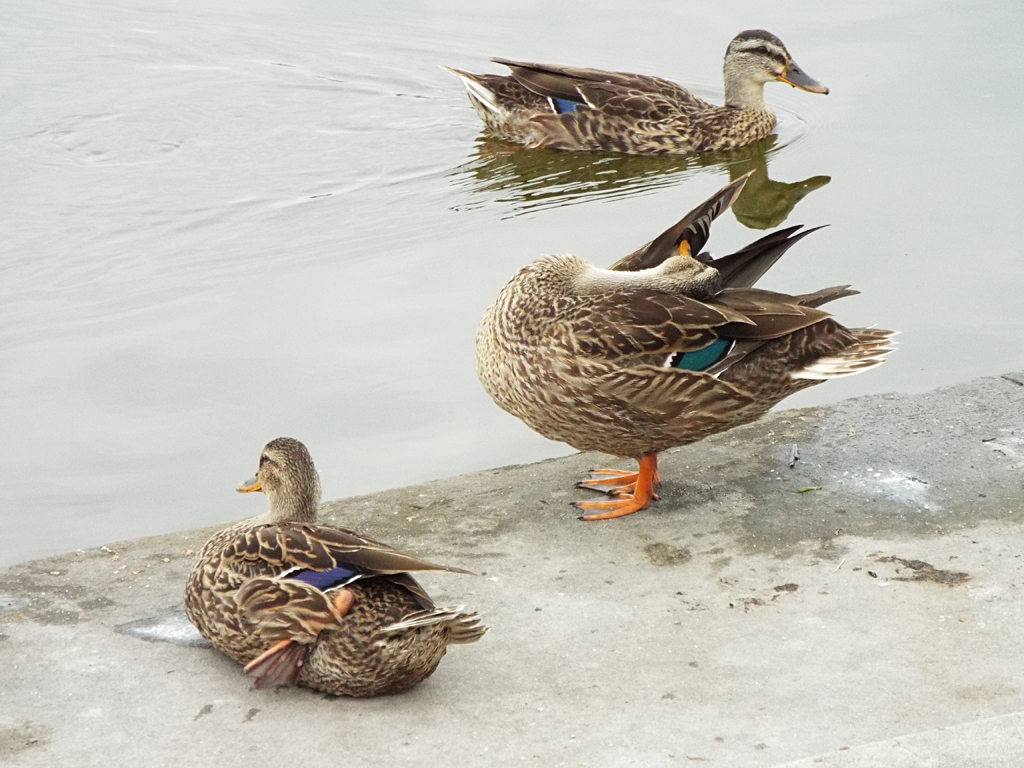
The vast majority of the duck population on Lake Mirror are various mixes of Mallards and Mottled Ducks. These tend to fall into two broad categories: Mallard/Mottled Duck hybrids and Mallard/domestic crosses.

lake-mirror
Lake Mirror shortly after dawn.

The first group tend to superficially look very similar to one another and have a typical Mottled Duck/Mallard body and coloration.

three-ducks
Three “muddled” ducks. They look pretty similar, but note the 3 different looking speculums (the color band of feathers in the wing).

Various individuals in this group had bill and speculum colors of Mallards and Mottled Ducks, as well as slight differences in body feathers, making it impossible to assign any definitive species to them. (I know speculum colors are iridescent, so they don’t always appear the same, but to the unaided eye, these three definitely looked different at almost every angle). A large part of the reason is due to the intentional release of domestic-type Mallards in Florida. You can read more about this issue in this article on the 10,000 Birds site: Mallards are a Threat to Mottled Ducks in Florida. More and more ducks are hybrids of one type or another. It takes a very keen eye (and sometimes a genetic test) to really know the identity of an individual.

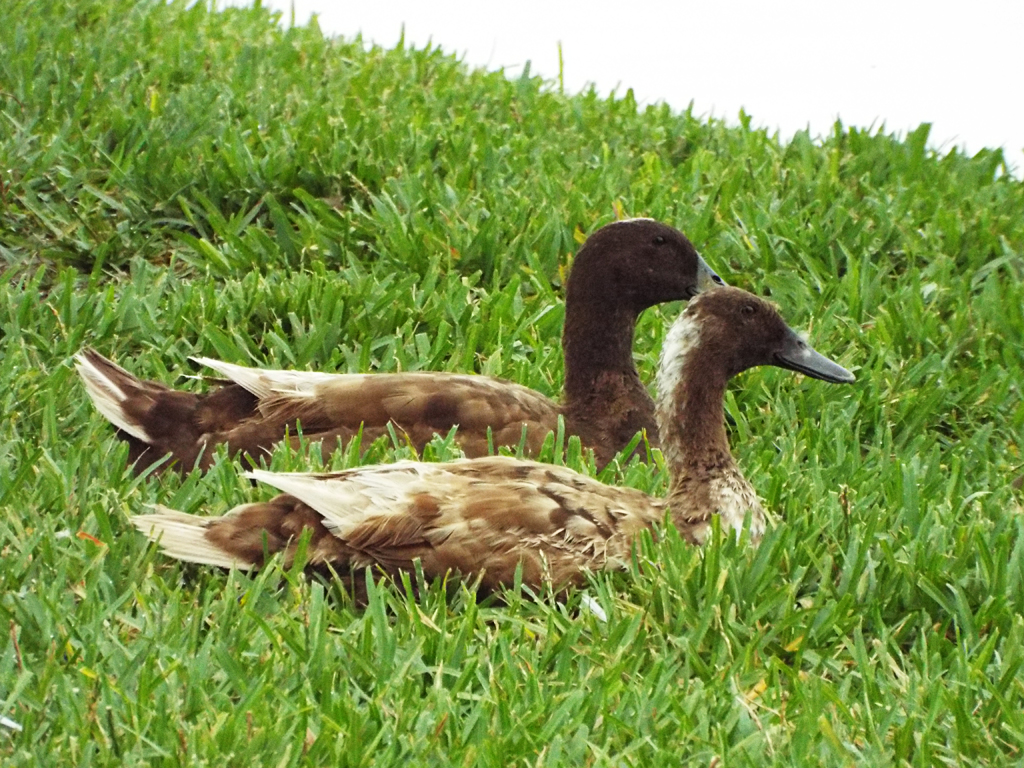
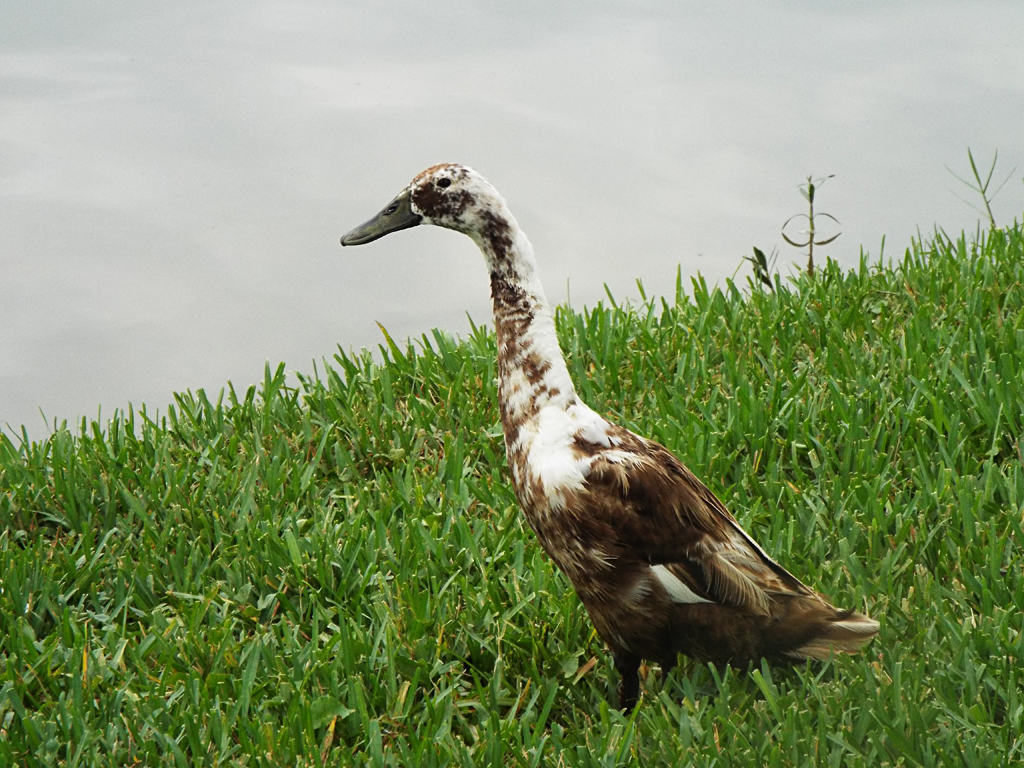
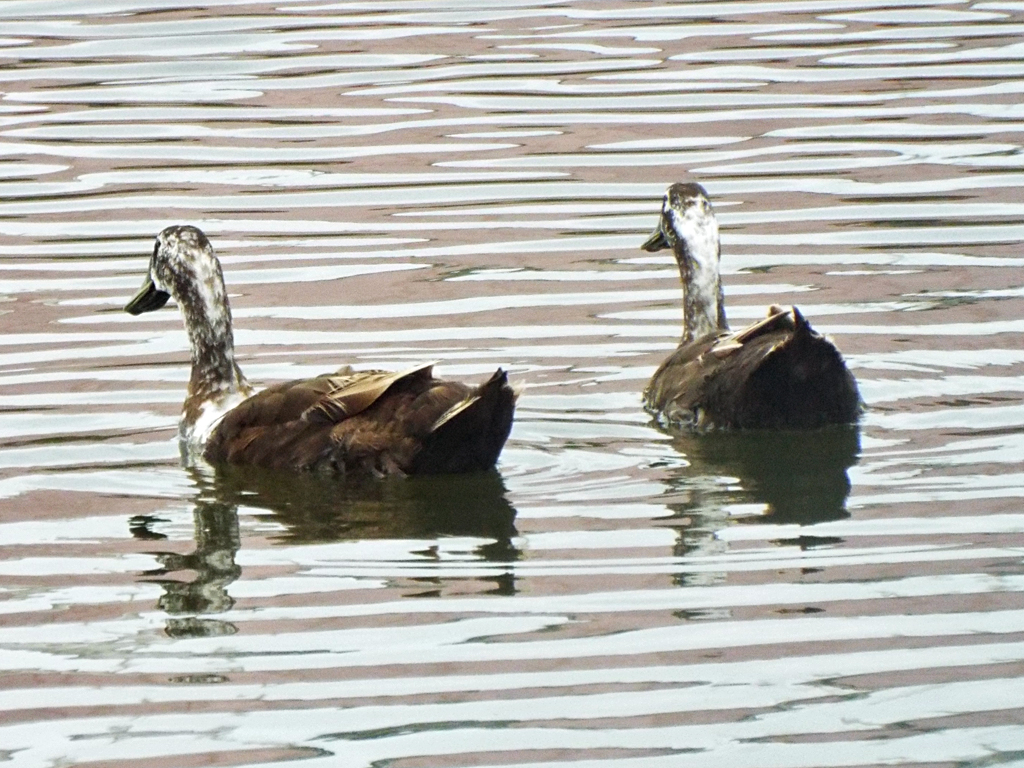
The second large population of ducks are of the Mallard/domestic cross variety. These ducks have a lot of white in their plumage, and many have dusky or cinnamon feathers. They also tend to be a bit larger than the other Mallard types.

cross-couple
A resting pair of ducks, showing quite a bit of chocolate brown and cinnamon.
cross
I noticed most of the ducks with this type of plumage tended to walk with this upright posture.
cross-couple2
Another domestic cross pair, with more white about their heads.

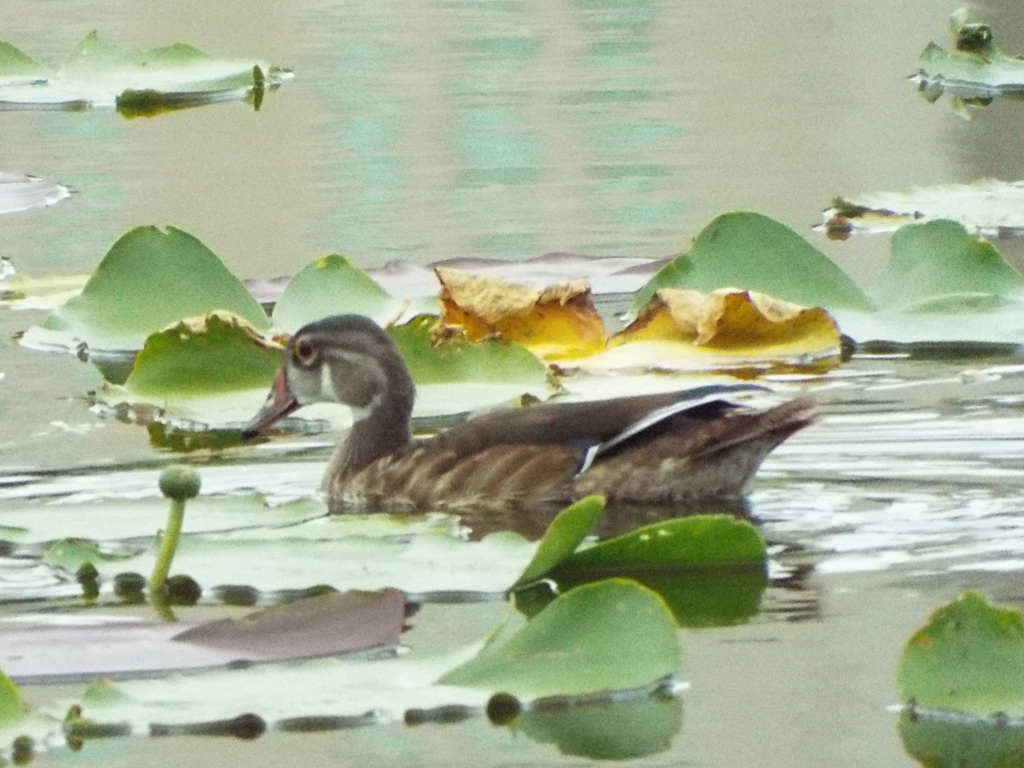
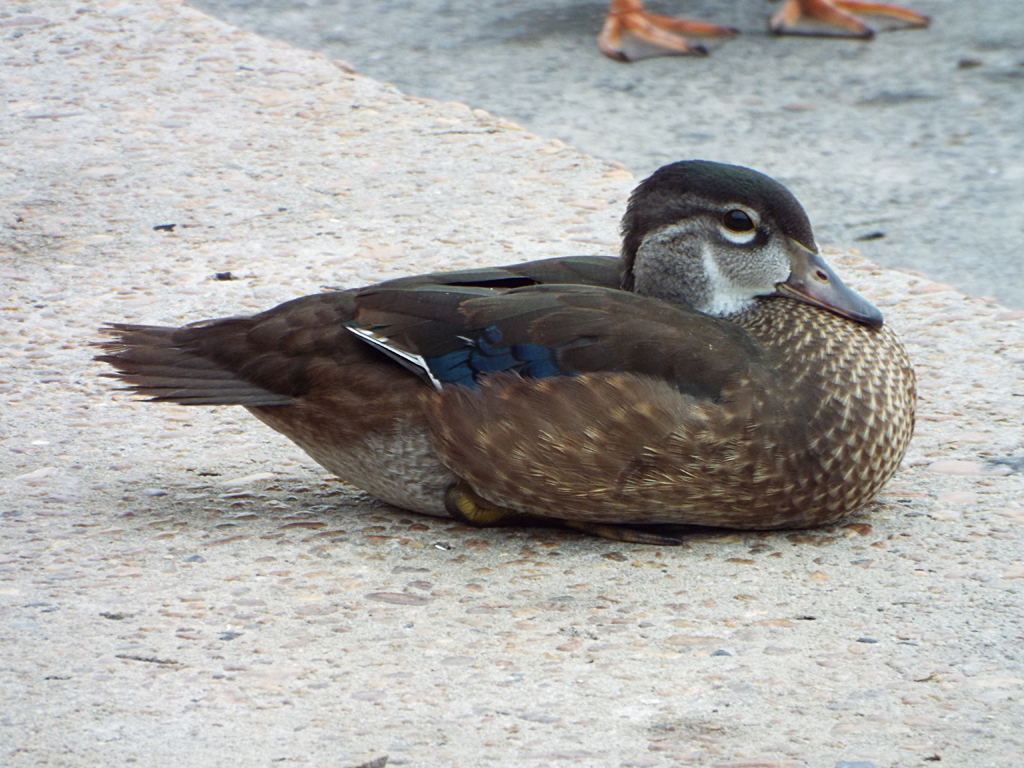
Lake Mirror (as well as Lake Morton) also have a number of Wood Ducks. The first ones we noticed were immature males. They were just getting their facial markings, but had not developed crests and their coloring was still subdued.

young-wood-duck1
An immature Wood Duck among the lily pads.
young-wood-duck2
Another immature Wood Duck drake.

d

male-wood-duck1
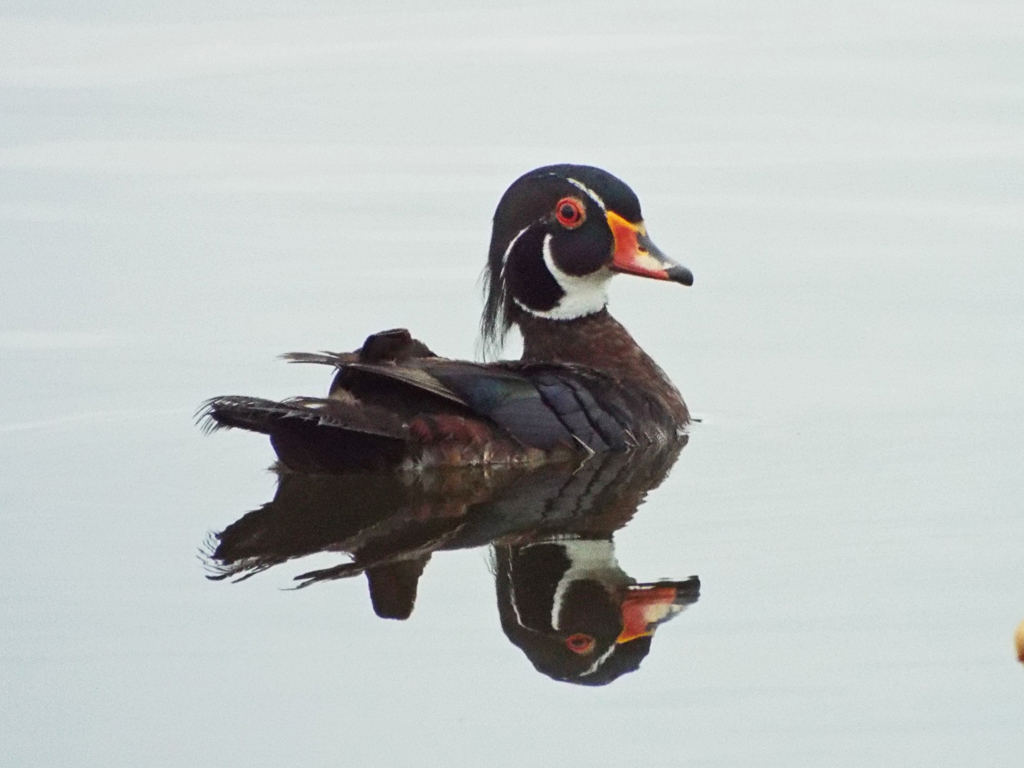
A distinguished Wood Duck drake.
male-wood-duck2
Another Wood Duck drake.
female-wood-duck
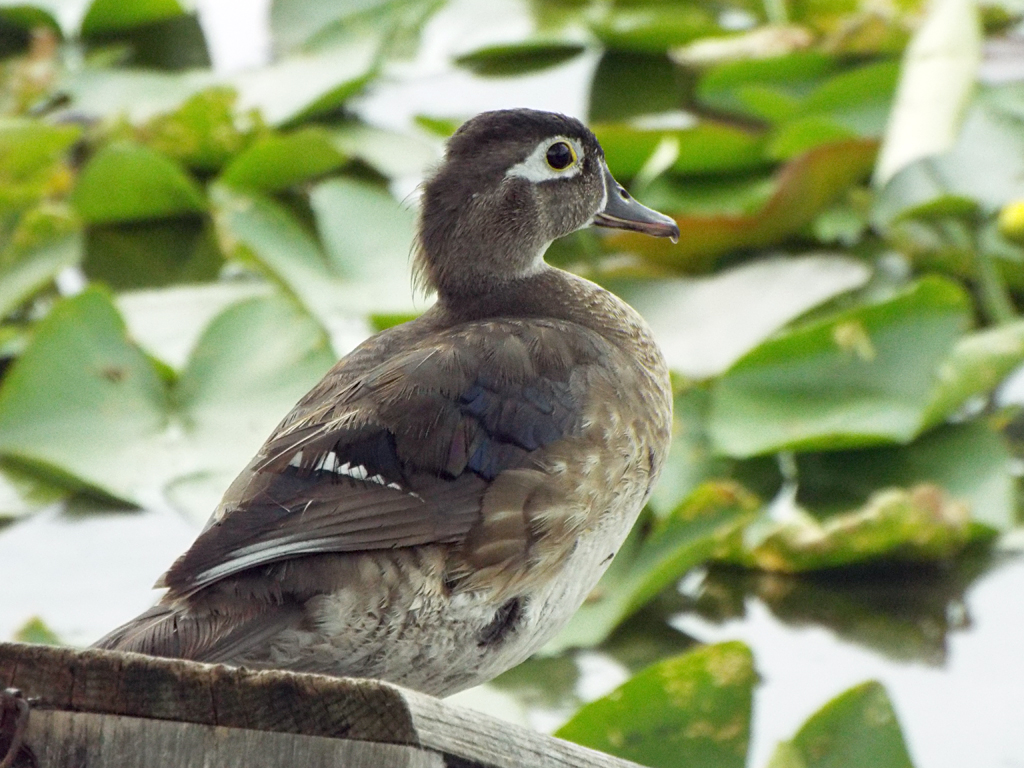
Female Wood Duck on her nest box.

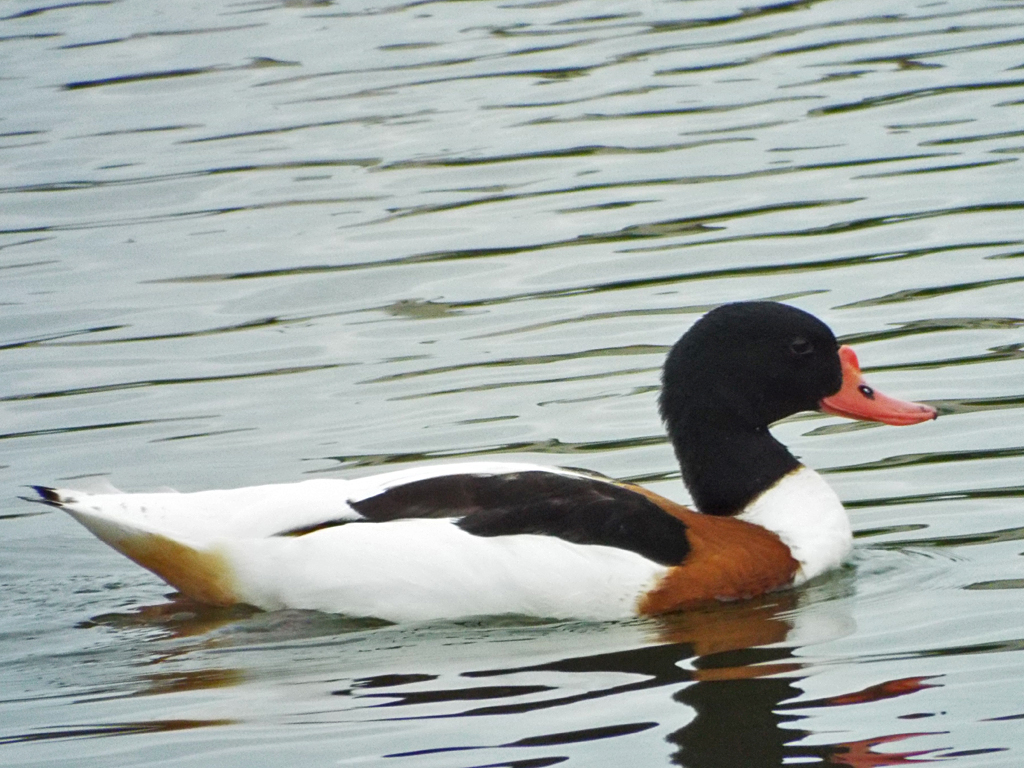
But the main reason for coming to Lakeland at all was for the chance to see more out-of-the-ordinary birds. Lake Mirror is home to two species of introduced exotic duck species. One, the Common Shelduck, is native to Eurasia. Sightings of vagrant birds are rare in North America. I’m not sure of the origin of the 3 birds at Lake Mirror, but I would lean towards thinking they were deliberately introduced.

common-shelduck1
Common Shelduck!

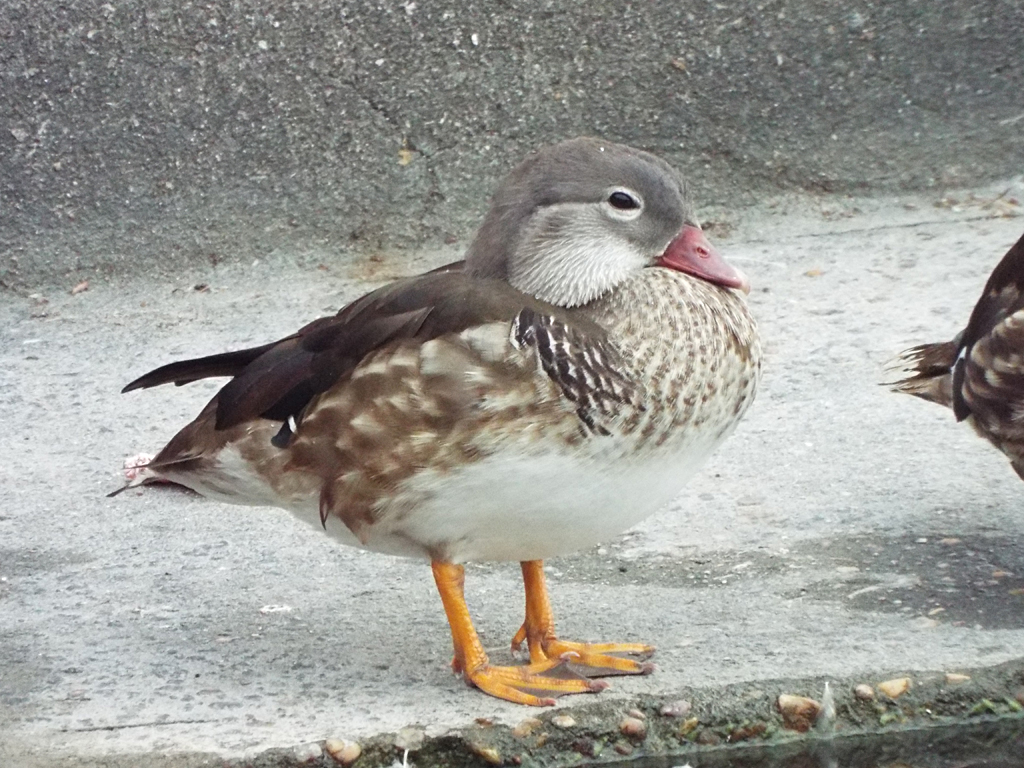
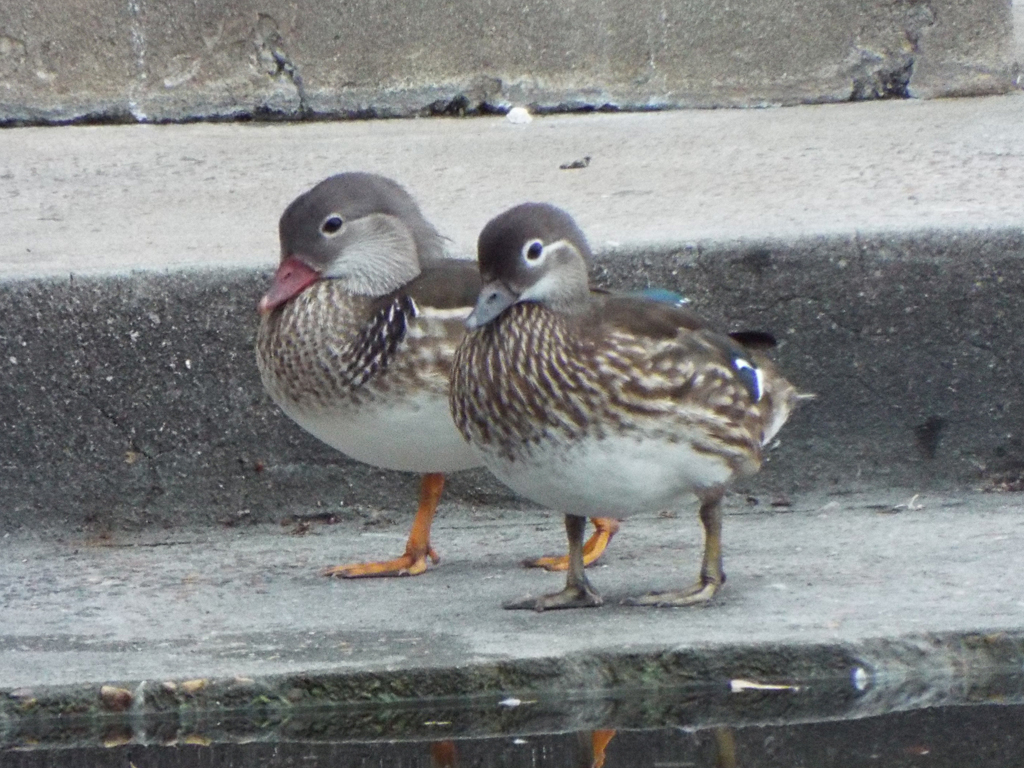
The other rare species of duck at Lake Mirror is the Mandarin Duck. As it’s name might suggest, this duck’s native range includes parts of northern and eastern China, but the largest concentration of breeding birds is found in Japan. Mandarin Ducks are closely related to Wood Ducks, as you might tell from their appearance. The single male (or drake) we saw was in “eclipse plumage”, and thus more drab in appearance than he would be when breeding. The females look very much like Wood Duck females. Like the shelducks, it’s a safe bet these birds were introduced as “ornamental” ducks.

male-mandarin-duck
Male Mandarin Duck (eclipse plumage)!


mandarain-pair
The male Mandarin Duck (on the left) and one of two females.

Both of these exotic species have only been reported, via eBird, in Lakeland since 2013. They do not appear to be successfully breeding yet, but perhaps time will tell if they can become established.

The complete eBird list includes all of the species seen on, around, and over the lake:
http://ebird.org/ebird/view/checklist/S30491436

The morning overcast began to clear as we made a complete circuit around the lake, and it was time to head to Lake Morton and the swans! Stay tuned for part 2…

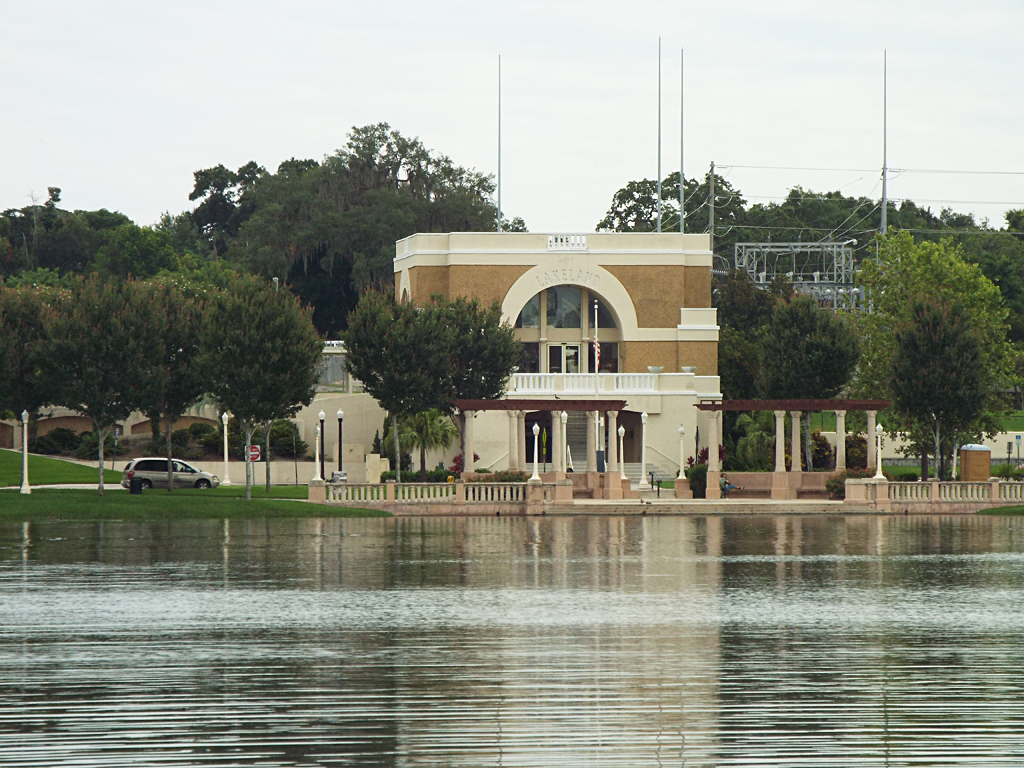
lake-mirror2
Farewell Lake Mirror.

Better late than never: Lake Apopka and Belleview Kites

Things have been a little hectic at Lonely Birder Central, but I hope to be back on track soon. After a lovely sojourn to Lake Apopka and then Belleview two weeks ago, I travelled to Lakeland, Florida for the first time to see the various swans that have been a part of the city for years. Stay tuned, and I’ll have something up as soon as I can.

Meanwhile, here are a few photos and comments from last weekend. First, from the Lake Apopka Wildlife Drive.

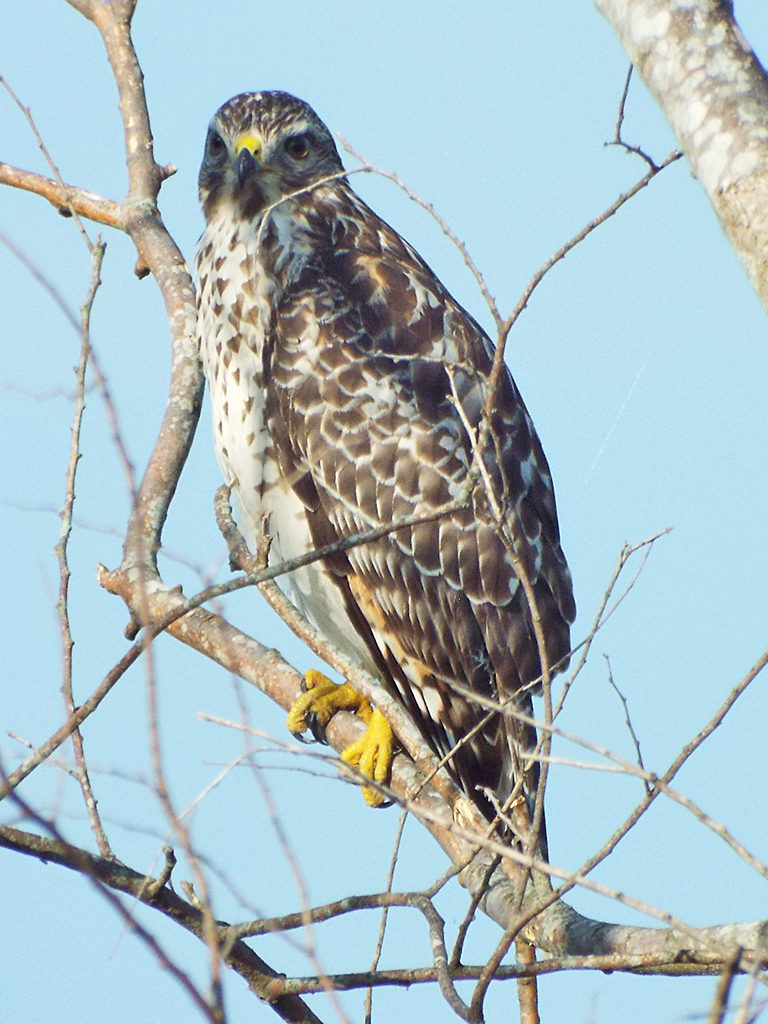
red-shouldered-hawk
Immature Red-shouldered Hawk
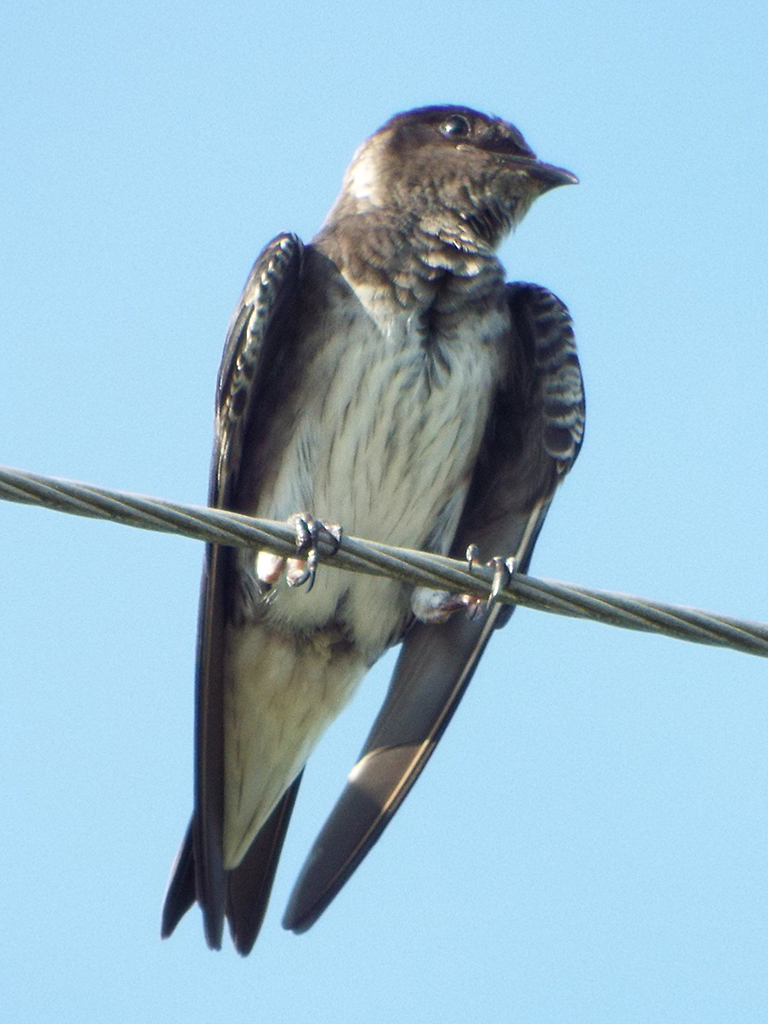
purple-martin
Young Purple Martin
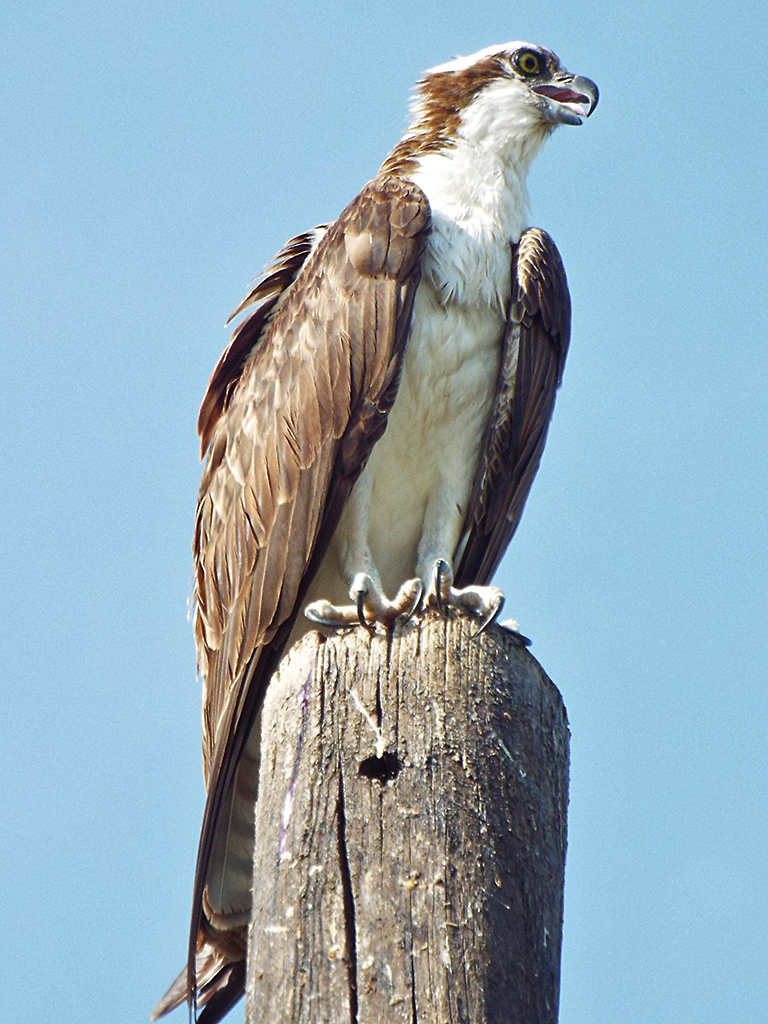
osprey
Osprey, panting due to the heat
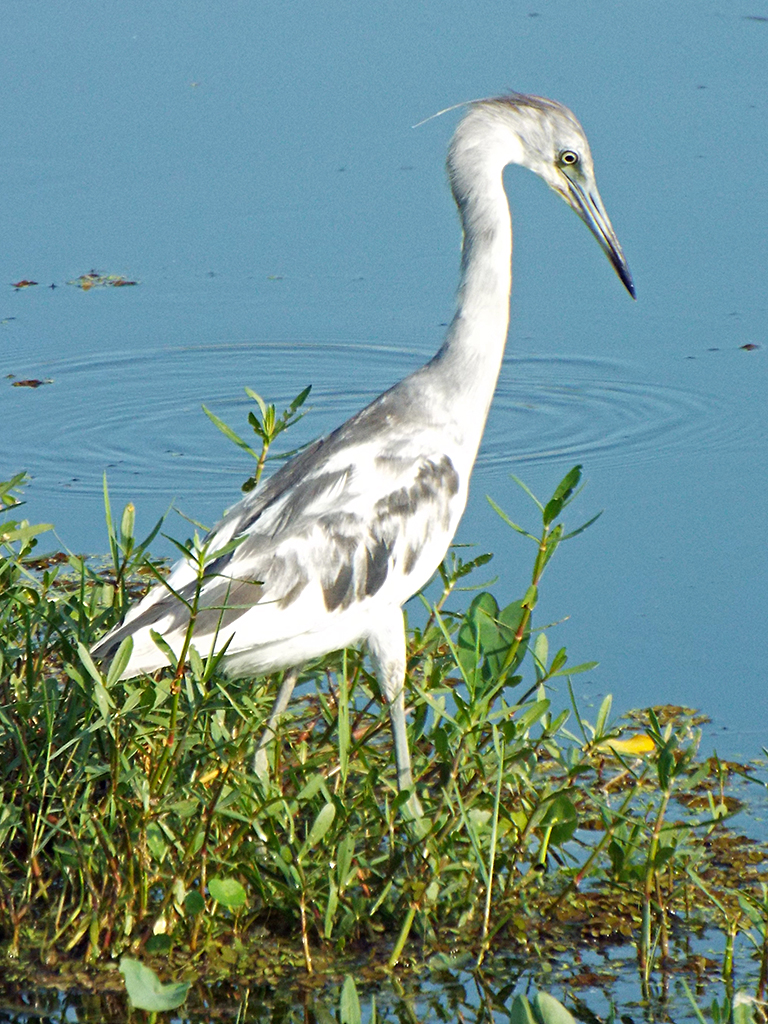
little-blue-heron
An immature Little Blue Heron, just starting to get adult plumage
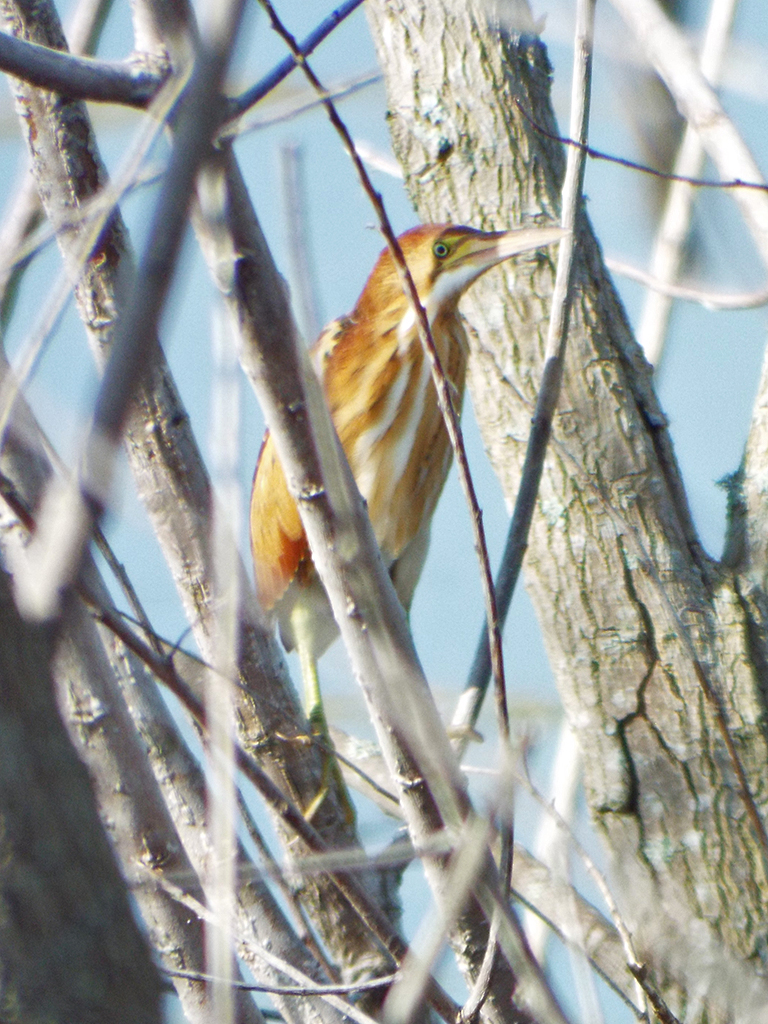
least-bittern
Least Bittern

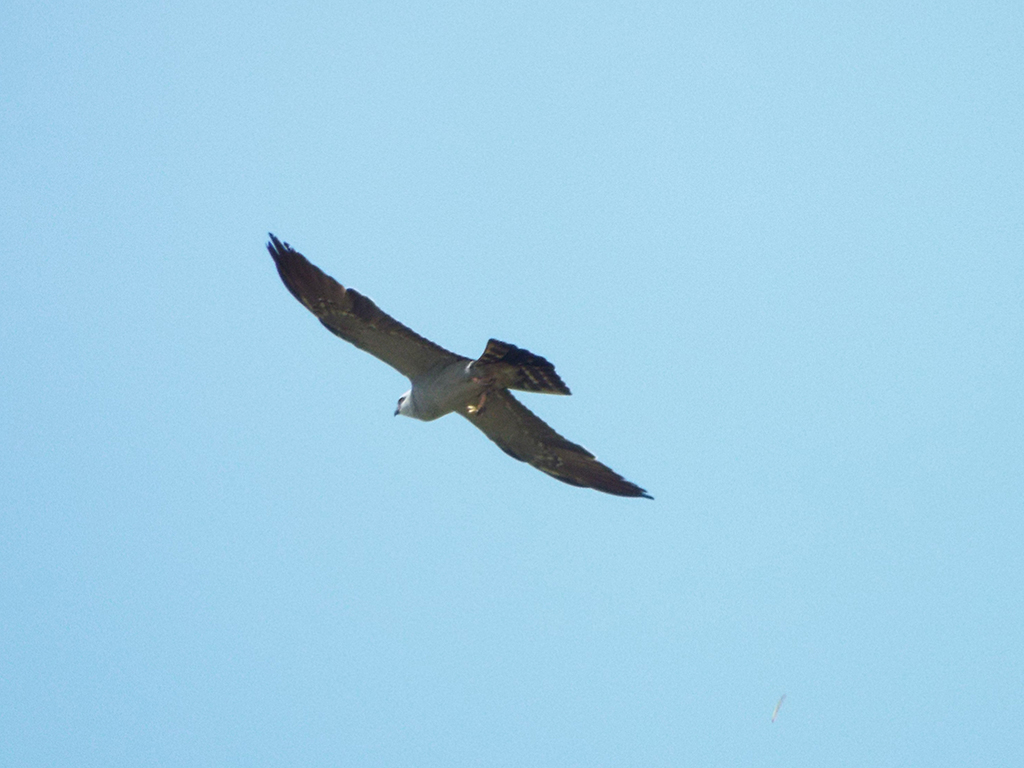
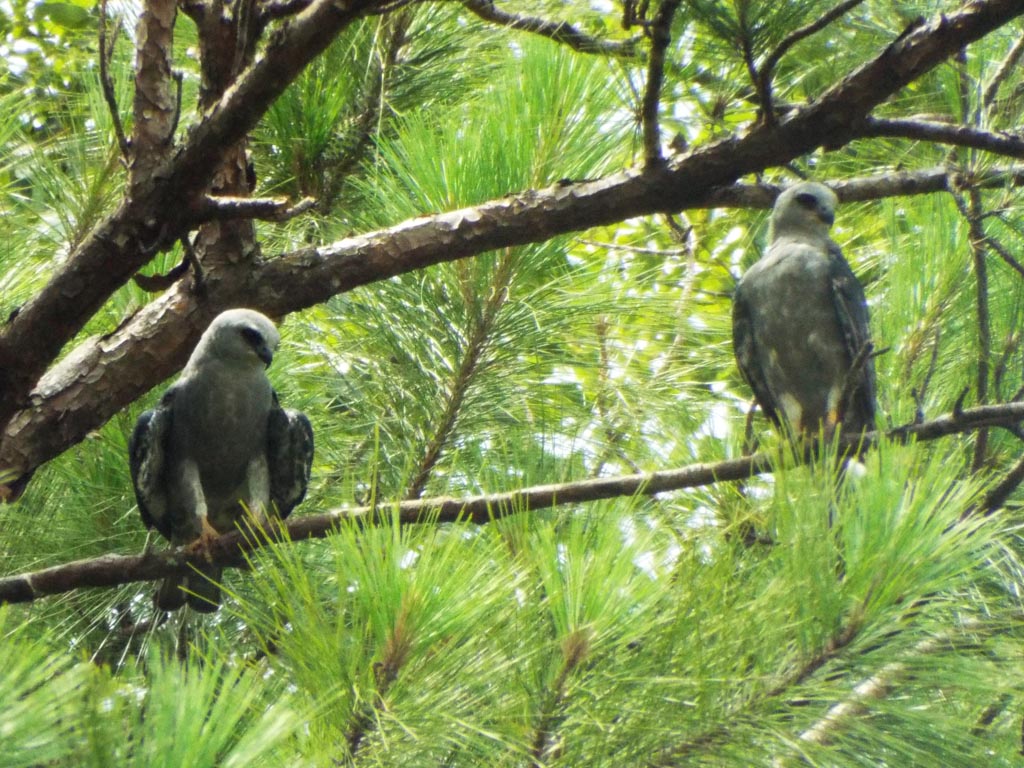
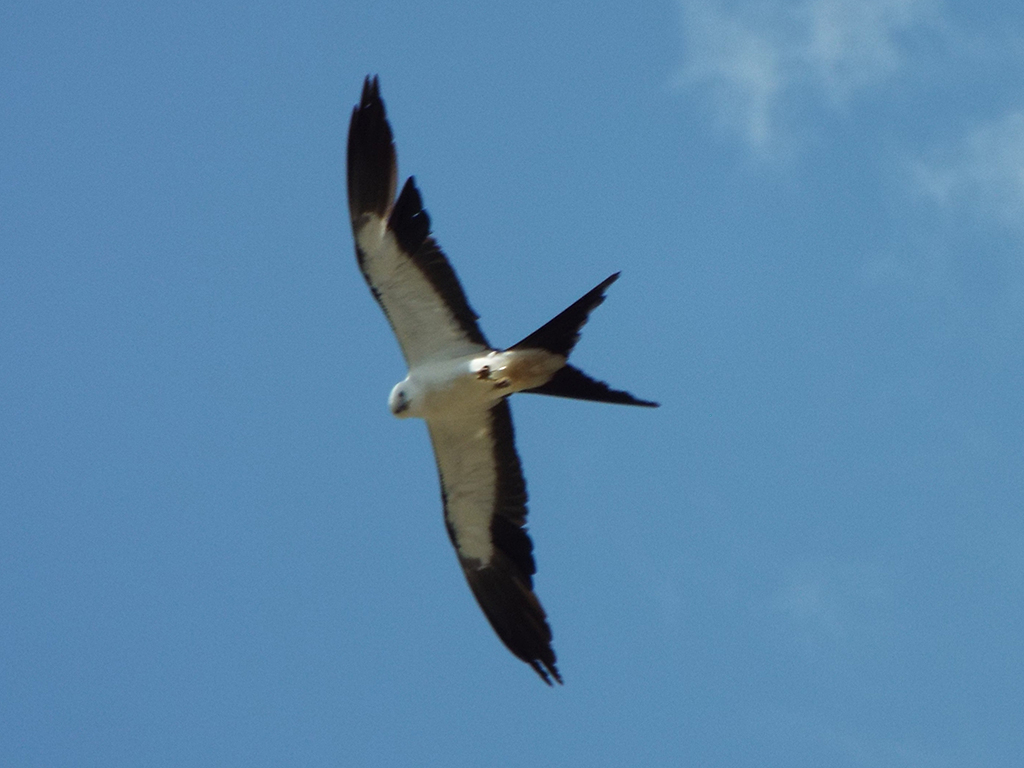
There was also a large congregation of Mississippi Kites in Belleview (near Ocala). There’s been a mild infestation of large grasshoppers in parts of central Florida, and the kites have been taking great advantage of it. Here are just a few photos, one showing the lone Swallow-tailed Kite (which usually predominates in central Florida).

mississippi-kite-01
One of several dozen Mississippi Kites that descended upon a residential subdivision. This one is carrying a grasshopper in its right talons.
mississippi-kite-02
Two Mississippi Kites scanning the ground below for grasshopper targets.
swallow-tailed-kite
It’s hard to make out, but this Swallow-tailed Kite is holding a large grasshopper in its left talon.